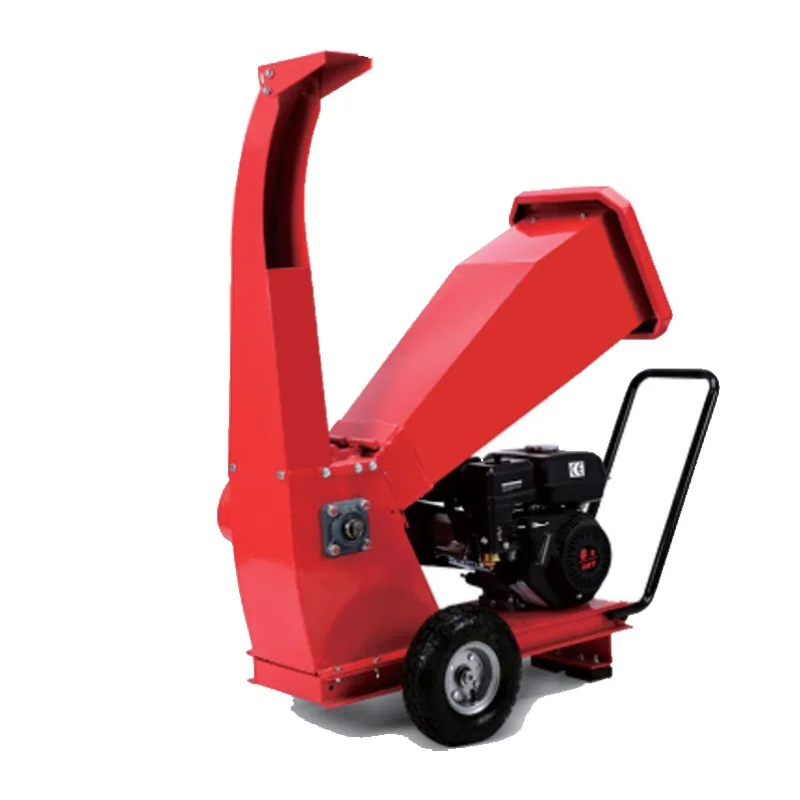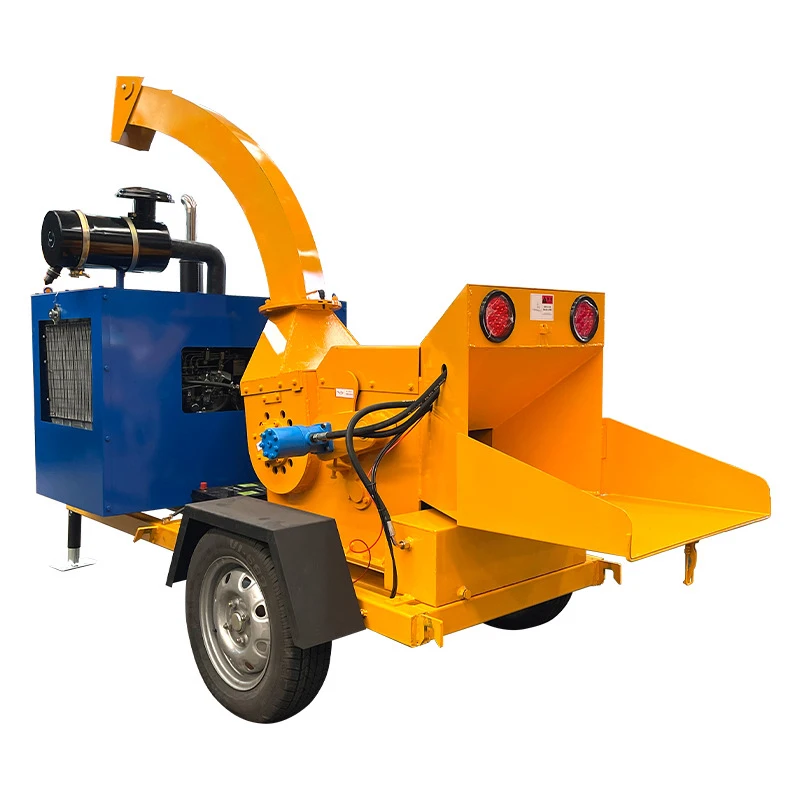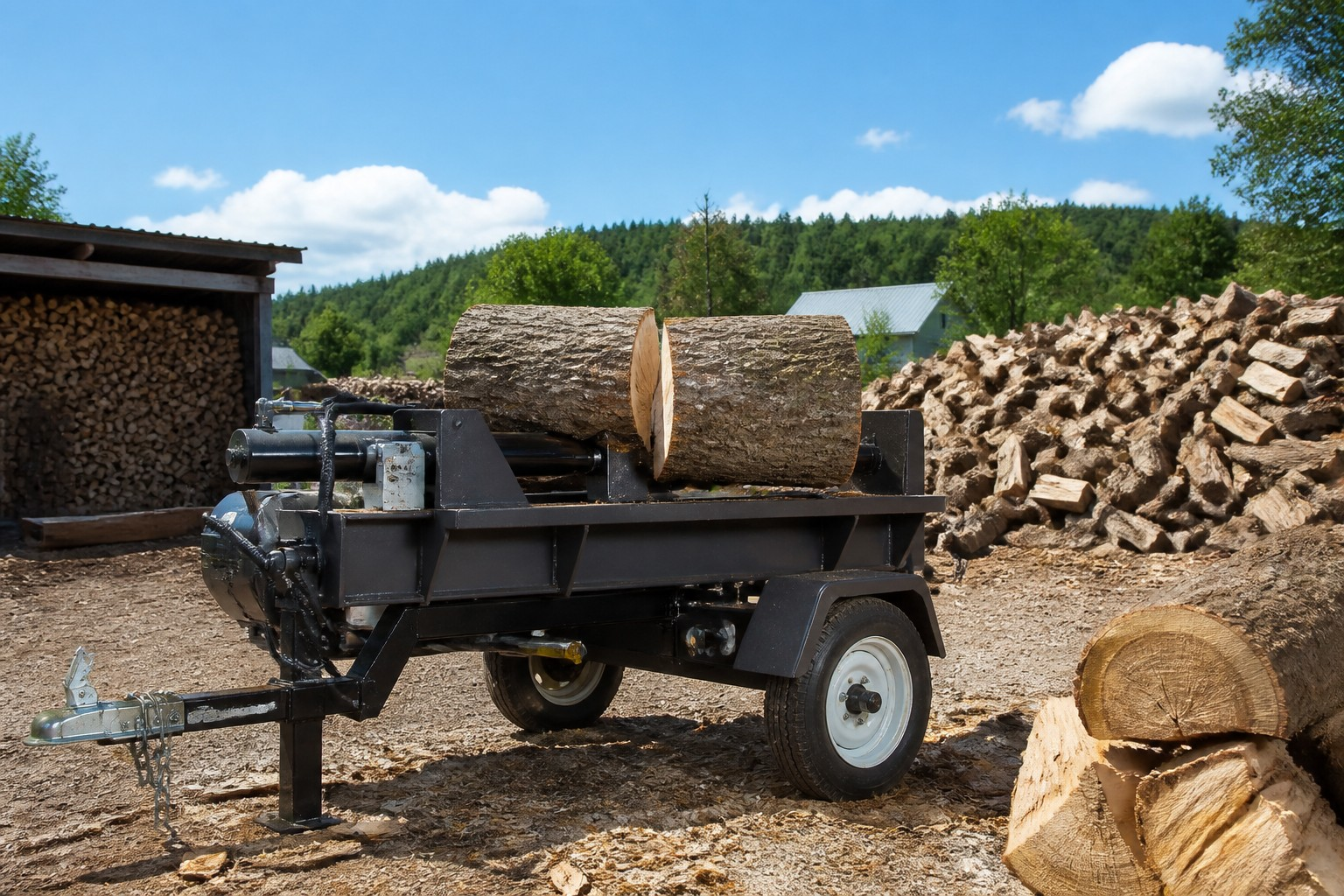
A heavy-duty log splitter at work in a commercial firewood processing yard — turning raw logs into market-ready split wood at scale
The firewood market is deceptively competitive. Whether supplying domestic households, hospitality venues, or biomass fuel distributors, a firewood producer's profit margin is ultimately determined by one variable: how many cubic metres of split, seasoned wood can be processed and delivered per labour hour. In markets where heating season demand spikes sharply — across Northern Europe, North America, and highland regions of South America and Oceania — producers who cannot scale output during peak periods simply lose orders to competitors who can.
For decades, the default answer was manual splitting: chainsaws, axes, and wedges. The physical demands are well understood — and so are the limits. A skilled manual worker can split roughly 1 to 1.5 cubic metres of hardwood per eight-hour day. A mid-range mechanical log splitter running the same shift processes 4 to 6 cubic metres. The labour cost per cubic metre drops by 70% or more, and the operator's fatigue risk drops with it.
Not all log splitters deliver on the throughput promise. Buyers routinely discover that lower-priced units underperform on hardwoods, require constant maintenance, or lack the cycle speed needed for sustained commercial use. When evaluating a machine for firewood production, three specifications determine real-world output:
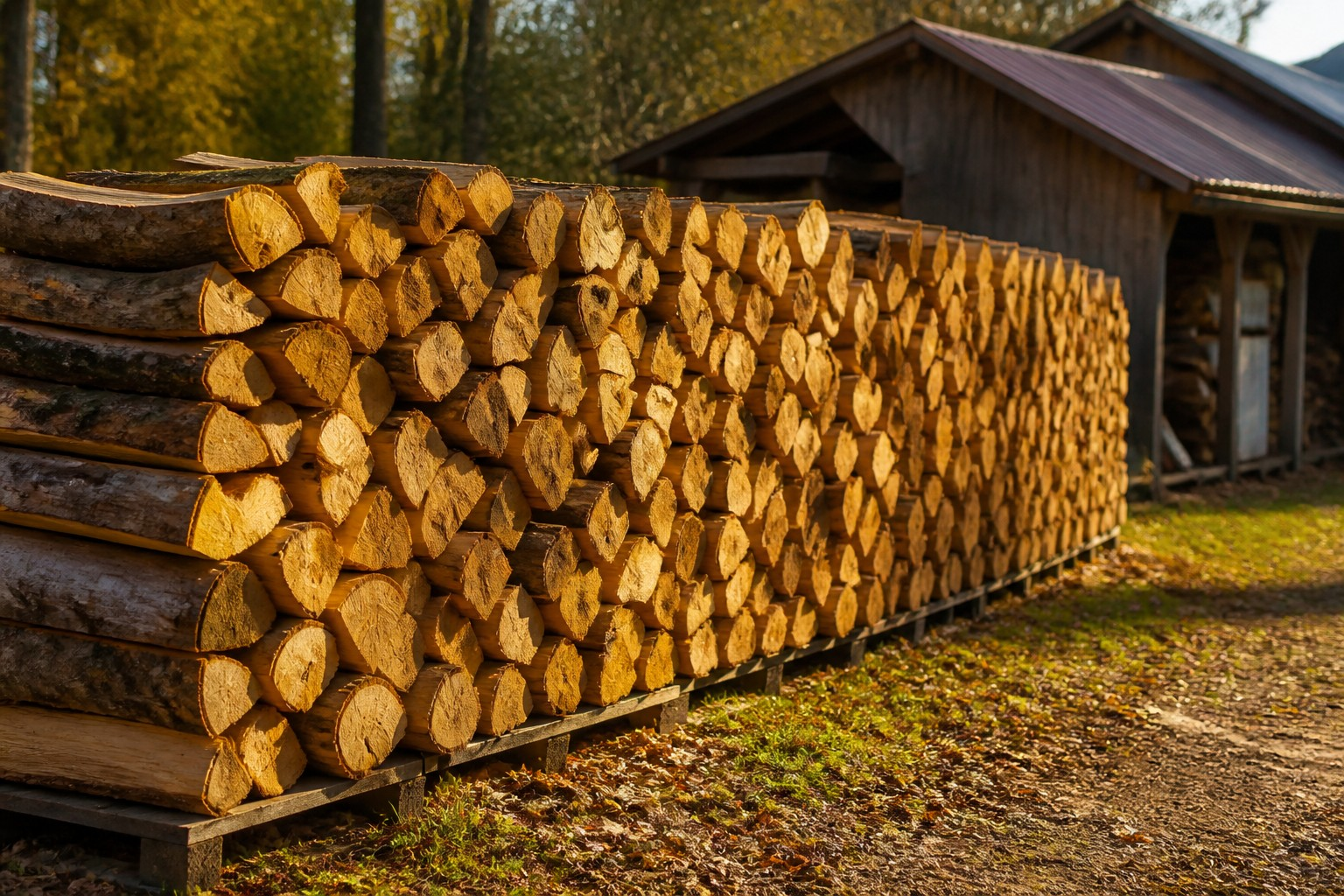
Uniformly split and stacked firewood ready for seasoning — the consistent output quality that mechanical log splitters make achievable at commercial scale
Firewood operations range from family-run micro-producers to multi-site commercial enterprises. Kesen's log splitter range addresses this diversity across three configurations:
For equipment distributors, the firewood processing segment represents a consistently underserved opportunity. A significant share of commercial firewood producers in emerging markets — Eastern Europe, South America, Southeast Asia — still rely on aging or undersized machinery. Replacement cycles are long precisely because the right machine, properly specified and supported, lasts a decade or more. The buyer, once converted, becomes a long-term parts and service customer.
Kesen supports distributors in this market with CE and EPA certified models that clear import compliance in European and North American markets, a five-year strategic parts coverage programme that protects service margins, and white-label options for distributors building their own regional brand identity on proven manufacturing foundations.
"The right log splitter doesn't just speed up production — it redefines what a two-person firewood operation can realistically supply to market in a single heating season."
The correct specification starts with three questions: What timber species does your buyer's region predominantly process? What is the average log diameter coming off their supply chain? And does the operation run from a fixed yard, or does it move between sites? Kesen's pre-sale consultation maps these inputs directly to machine configuration — splitting tonnage, bed length, drive type, and optional four-way wedge attachments for producers who need quartered rounds for smaller hearths.
Explore the full Kesen log splitter range at www.shandongkesen.com/log-splitters, or contact the Kesen team directly via WhatsApp at +86-189 53266099 to discuss volume pricing, OEM arrangements, or model selection for your specific market.
— Kesen Machinery: Maximum Force, Minimum Downtime, Season After Season —
 Hot News
2026-06-16
2024-12-26
2024-12-26
2024-10-11
2024-09-18
2024-09-09
Kesen Machinery was founded in 2003 with the goal of producing high-quality products for customers and providing world-class equipment support for all forestry and construction customers.
Copyright © Shandong Kesen Machinery Manufacturing Co., Ltd. All Rights Reserved- Privacy Policy- Blog
 EN