Branches, pruning waste, fallen trees and other woody materials are common in forestry, agriculture, landscaping and garden maintenance.
For many years, these materials were simply considered waste that needed to be removed. Today, the situation is changing. More businesses are looking at wood waste as a material that can be processed, transported and reused more efficiently.
This shift is changing the role of wood chippers.
A modern wood chipper is not simply a machine that cuts branches into smaller pieces. It can become an important part of a complete material-handling workflow, connecting tree maintenance, land clearing, landscaping, forestry and biomass utilization.
The amount of woody material generated during land management can be considerable.
A landscaping company may remove branches after pruning. A farm may clear vegetation around fields or roads. An orchard may generate regular pruning waste. Forestry operations may need to process branches and smaller-diameter wood left after harvesting.
If this material is transported without processing, it can occupy significant space and increase handling costs.
Chipping changes the physical characteristics of the material.
Branches can be reduced into smaller wood chips, making them easier to handle, transport or potentially use in different applications depending on local requirements and material quality.
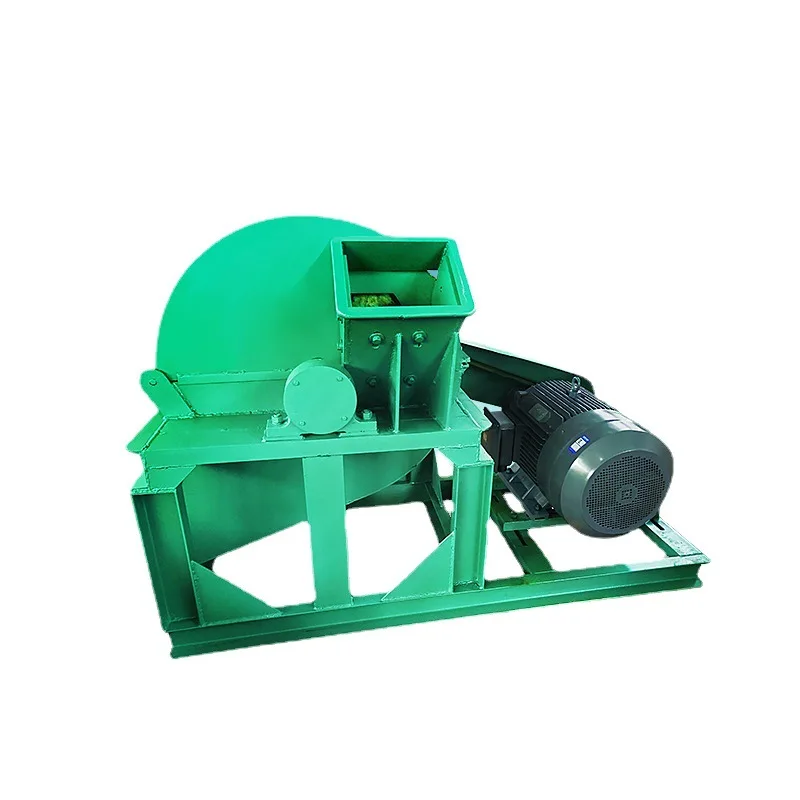
Kesen Machinery's current product structure includes both wood chippers and chipper shredders, reflecting the wide range of applications in agriculture, municipal maintenance, professional landscaping and domestic gardening.
The important point is that the machine should be selected according to the material and working environment.
The forestry and landscaping industries are increasingly discussing not only how to remove unwanted material, but also how to use resources more efficiently.
This is part of a broader shift toward circular material management.
Instead of seeing branches only as waste, operators can consider whether the material can be processed closer to where it is generated.
Local processing can reduce unnecessary transportation of bulky branches and make subsequent handling easier. In some applications, wood chips may be used for landscaping, ground covering, biomass-related processes or other purposes depending on local regulations and material characteristics.
This does not mean every piece of wood waste has the same value.
Moisture content, species, diameter, contamination, final chip size and intended application all influence the appropriate processing method.
That is why choosing a chipper should start with the material rather than the machine itself.
When buyers compare wood chippers, engine horsepower is often the first specification they notice.
However, horsepower alone does not determine whether a machine is suitable.
Feed capacity, maximum material diameter, feeding design, discharge configuration, mobility and maintenance requirements can be equally important.
For example, a landscaping contractor processing branches at different customer locations may prioritize mobility and ease of transport.
A farm may care more about processing efficiency and the ability to handle regular quantities of branches.
A forestry operator may need a different configuration because the material is larger, tougher or more irregular.
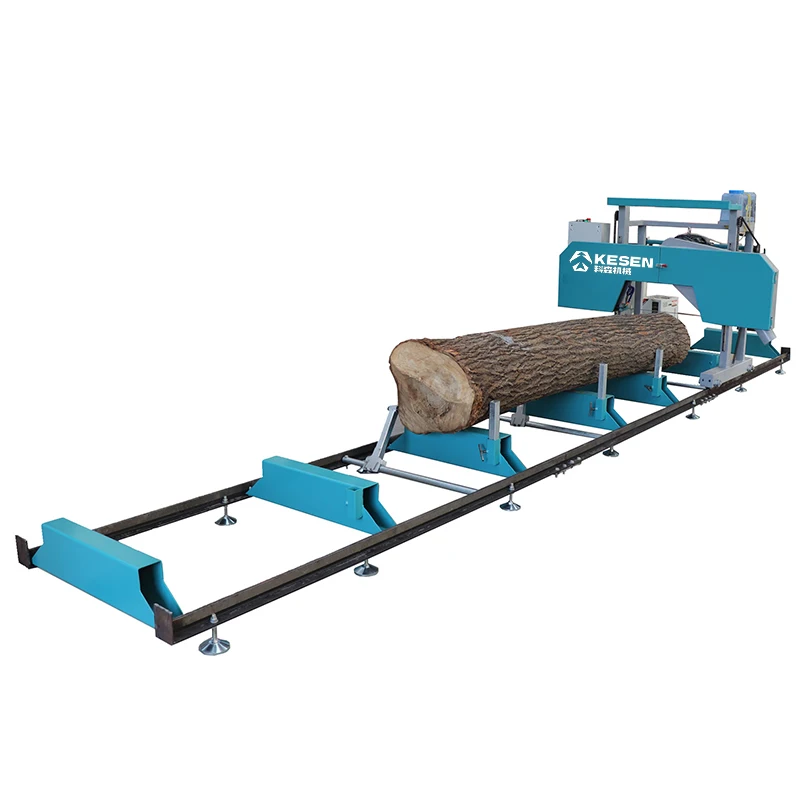
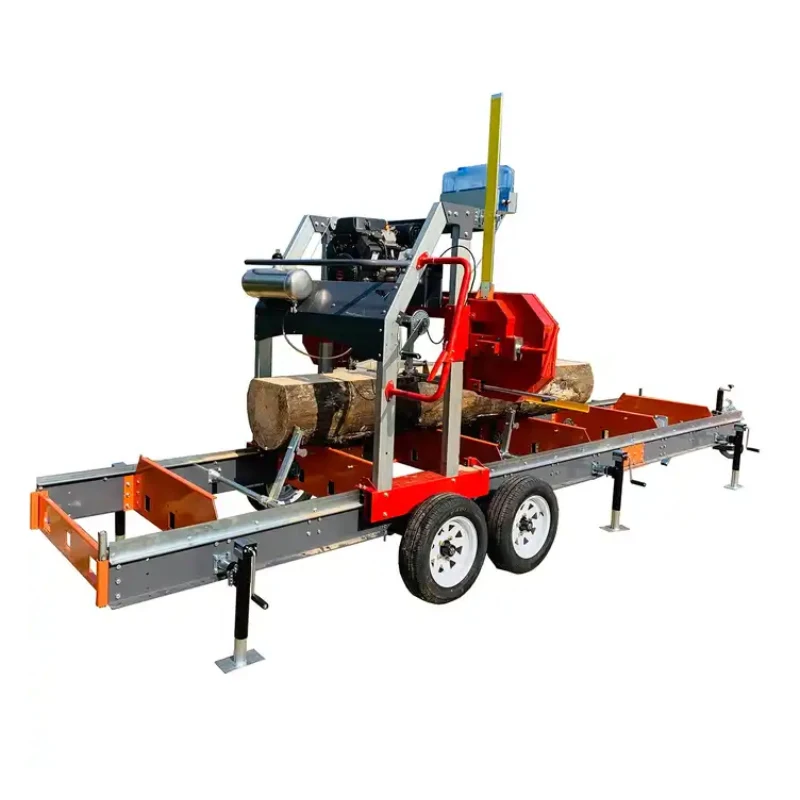
This is why Kesen Machinery offers different types of wood-processing equipment rather than treating every application as the same. Its current product range covers wood chippers, chipper shredders, bandsaw sawmills and log splitters, allowing different stages of wood processing to be addressed with different equipment.
Landscaping is one of the clearest examples of where compact wood chippers can create value.
Professional landscaping companies often work across multiple locations. After tree trimming or garden maintenance, branches need to be processed and removed.
A compact chipper can bring processing closer to the worksite.
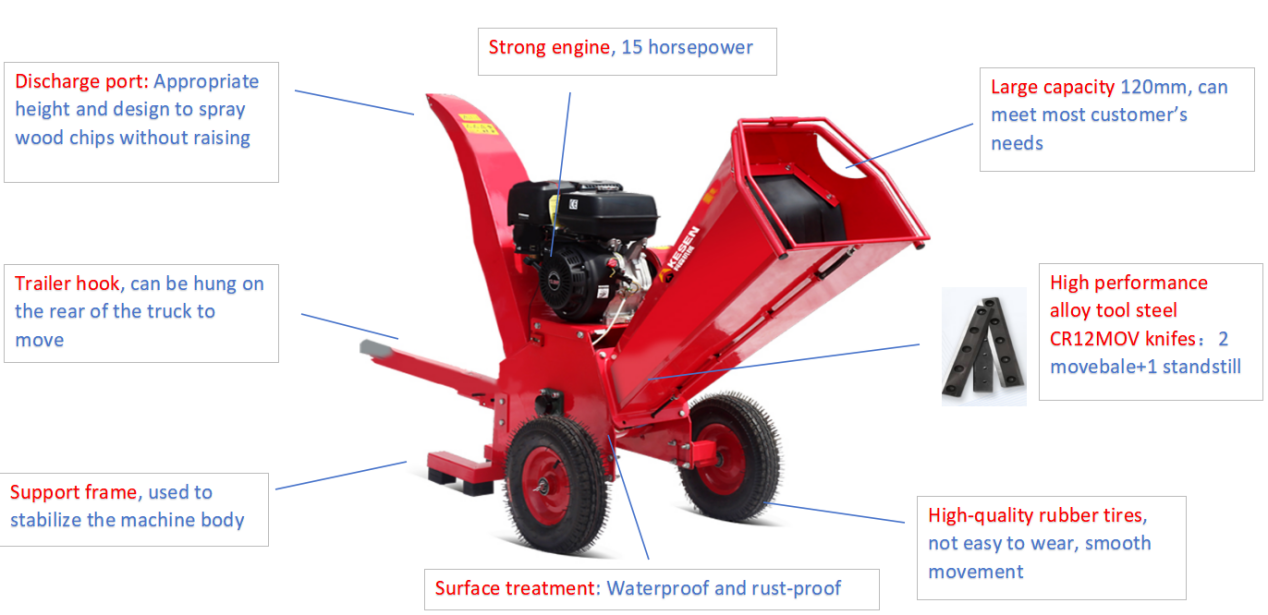
Kesen's KS8500, for example, is a towable wood chipper equipped with a 15 HP Xinyuan electric-start engine and designed for material up to 120 mm. This type of configuration is aimed at users who need a relatively mobile solution for branch and garden-waste processing.
The advantage is not simply that the machine can chip branches.
It is that the machine can become part of a workflow:
Cut → collect → chip → handle → reuse or transport.
Reducing the size of the material at an earlier stage can make the rest of the process easier to organize.
The requirements become different when the material diameter increases.
For heavier-duty applications, operators may need diesel-powered equipment with greater feeding capacity and a more robust configuration.
Kesen's product range also includes larger wood-processing machinery, such as the KS6700 diesel wood chipper and KS1000 wood crusher, providing solutions for users working with different material sizes and processing requirements.
This illustrates an important principle in forestry machinery: there is no universal machine for every application.
The right equipment depends on the complete working chain.
A customer processing small branches after orchard pruning has a different requirement from a contractor clearing land or a forestry operator processing larger volumes of woody material.
Another important trend in the machinery industry is the movement from individual machines toward complete solutions.
A wood chipper may solve the first part of the problem, but users may also need equipment for cutting logs, splitting wood, moving material or preparing timber.
This is why Kesen Machinery's product range extends beyond wood chippers to bandsaw sawmills, log splitters, tree spade machines, tractors and other forestry and garden machinery.
The objective is not to make every customer buy multiple machines.
It is to understand the actual workflow and identify where mechanization can provide the most practical improvement.
Before purchasing a machine, users should consider several basic questions.
What is the maximum branch diameter?
What type of wood will be processed?
How much material needs to be processed per day?
Will the machine stay in one location or move between worksites?
What chip size is required?
Is the final material intended for landscaping, disposal, transport or another application?
What power source is available?
These questions can help narrow the equipment selection much more effectively than simply comparing horsepower or price.
The future of wood processing is not only about larger machines.
It is also about better matching between equipment, material and workflow.
As forestry, agriculture and landscaping businesses continue to focus on labor efficiency, transportation costs and resource utilization, machinery that can process material closer to the point of generation becomes increasingly relevant.
For more than 20 years, Kesen Machinery has focused on forestry and garden machinery, developing equipment for applications ranging from land maintenance to wood processing. Founded in 2003, Kesen continues to build its product range around practical machinery needs across different working environments.
The future of wood waste management may not be about eliminating wood waste completely.
It may be about changing the way we handle it.
When the right machine is used at the right stage, branches can become manageable material, forestry operations can become more organized, and wood processing can become a more efficient part of the overall workflow.
That is the practical value of modern wood chipping technology.
 Hot News
2026-06-16
2024-12-26
2024-12-26
2024-10-11
2024-09-18
2024-09-09
Kesen Machinery was founded in 2003 with the goal of producing high-quality products for customers and providing world-class equipment support for all forestry and construction customers.
Copyright © Shandong Kesen Machinery Manufacturing Co., Ltd. All Rights Reserved- Privacy Policy- Blog
 EN