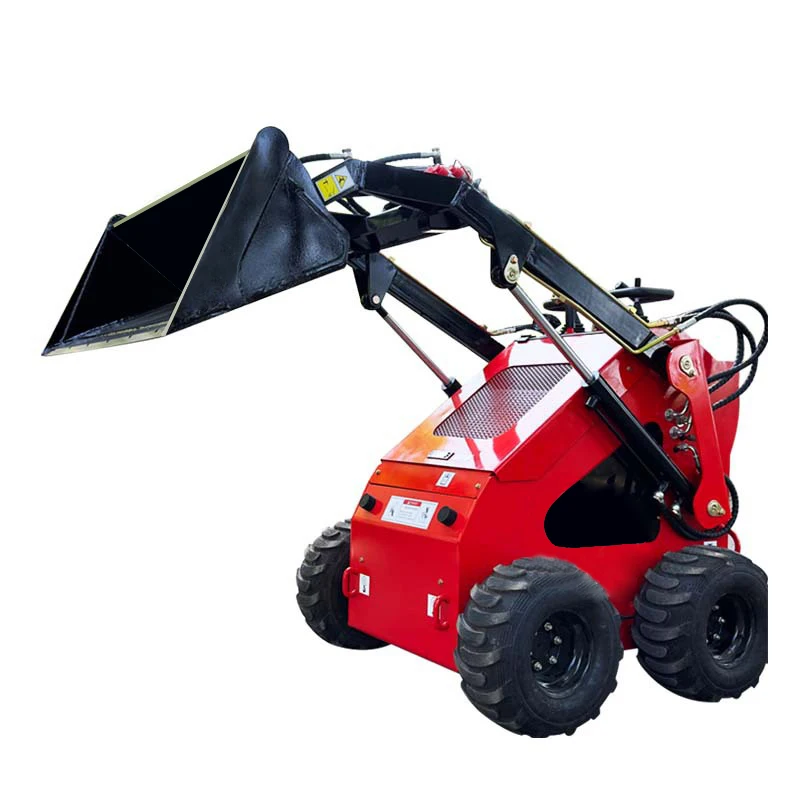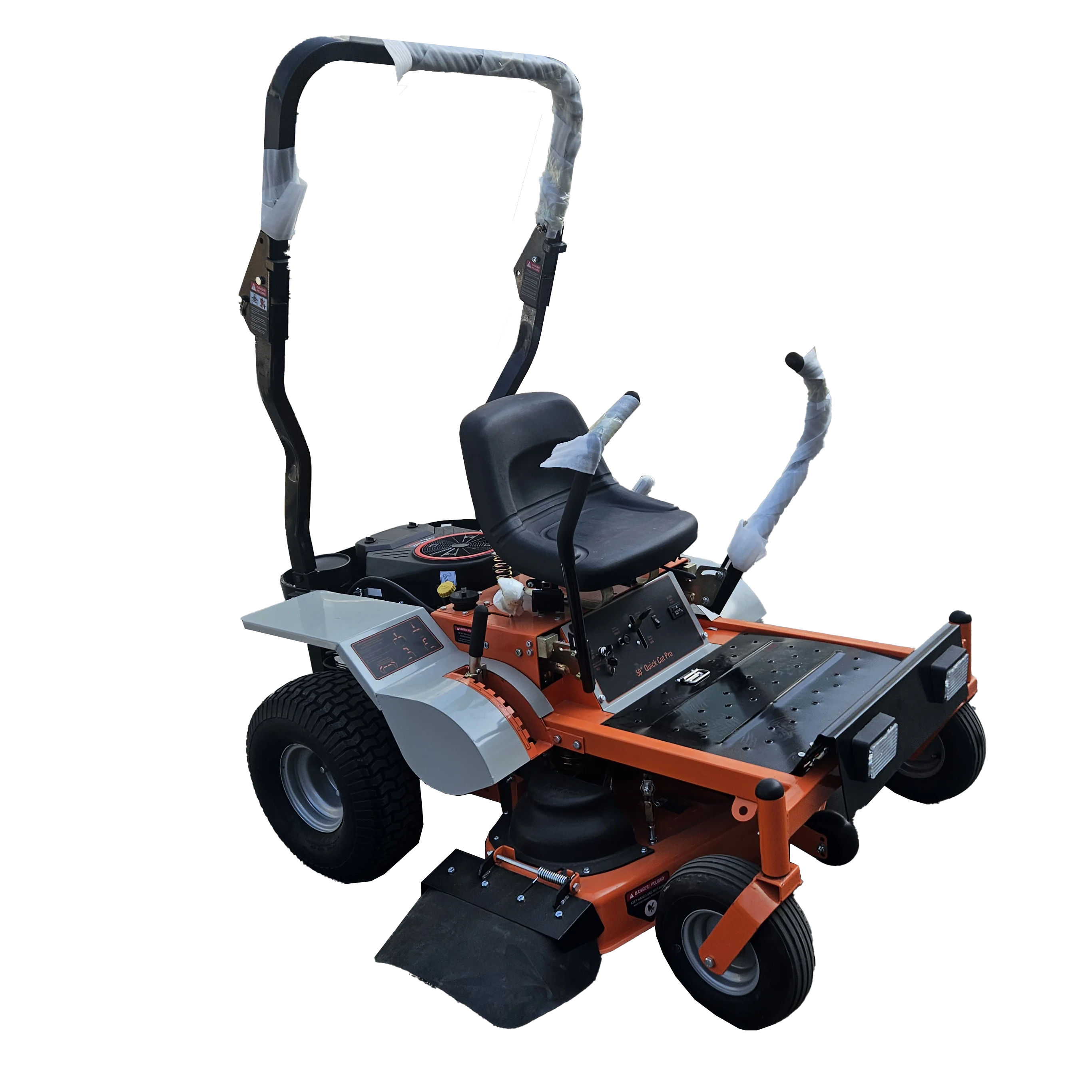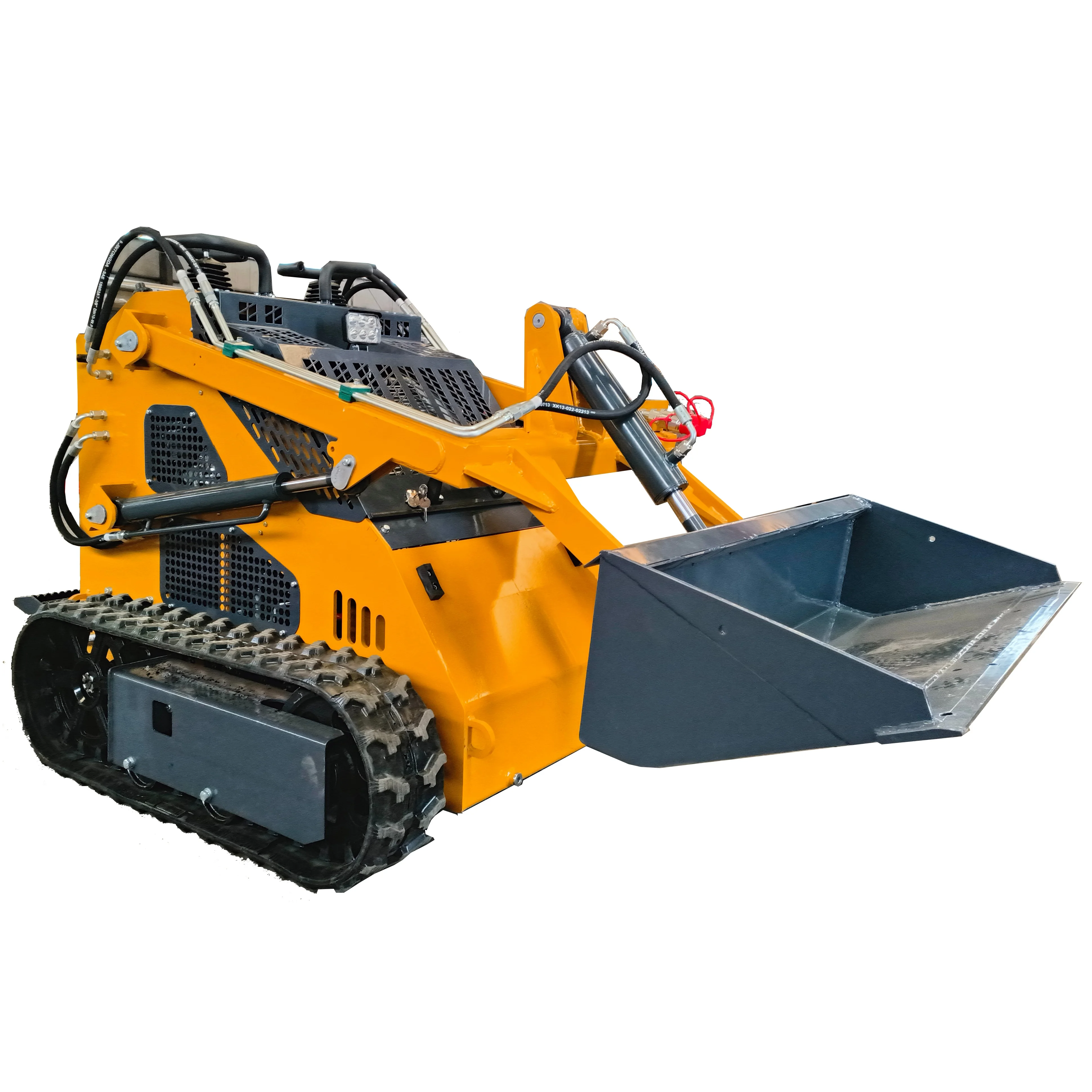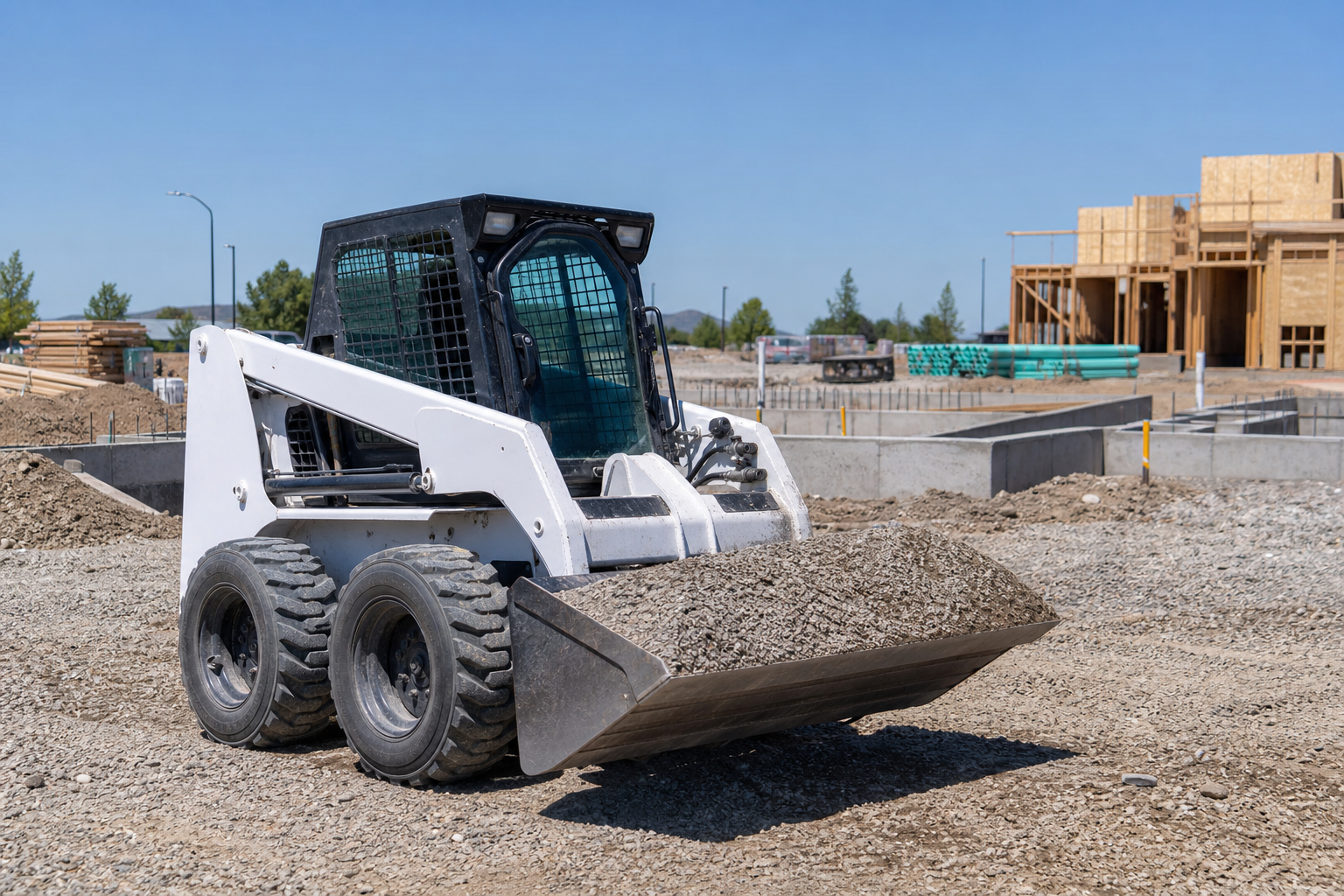
A skid steer loader in its natural environment — moving materials, clearing ground, and keeping a construction site operational where full-size equipment cannot reach
Every construction project has the same fundamental tension: large equipment is productive, but most sites are not large enough to use it efficiently. The excavator that moves earth quickly takes twenty minutes to reposition. The wheeled loader that carries full buckets cannot manoeuvre inside a partially built structure. The forklift that lifts pallets efficiently becomes useless the moment the ground is uneven. Contractors spend a disproportionate share of their site budget managing the limitations of machines that are too specialised for the environments in which they work.
The skid steer loader was engineered as a direct answer to this problem. Its zero-turn-radius steering — achieved by driving left and right wheel sets at different speeds rather than by turning a wheel — allows the machine to spin on its own footprint, change direction in a single machine-length gap, and operate productively in spaces where no other powered machine can function. On a construction site, this is not a convenience feature. It is the difference between clearing a confined basement excavation in two hours or two days.
The economic case for skid steer ownership rests on its universal quick-attach system, which allows a single machine to accept dozens of different working tools. For a construction contractor, this transforms the cost calculation from maintaining multiple single-purpose machines to owning one productive chassis and a set of attachments that cover the full site workflow:
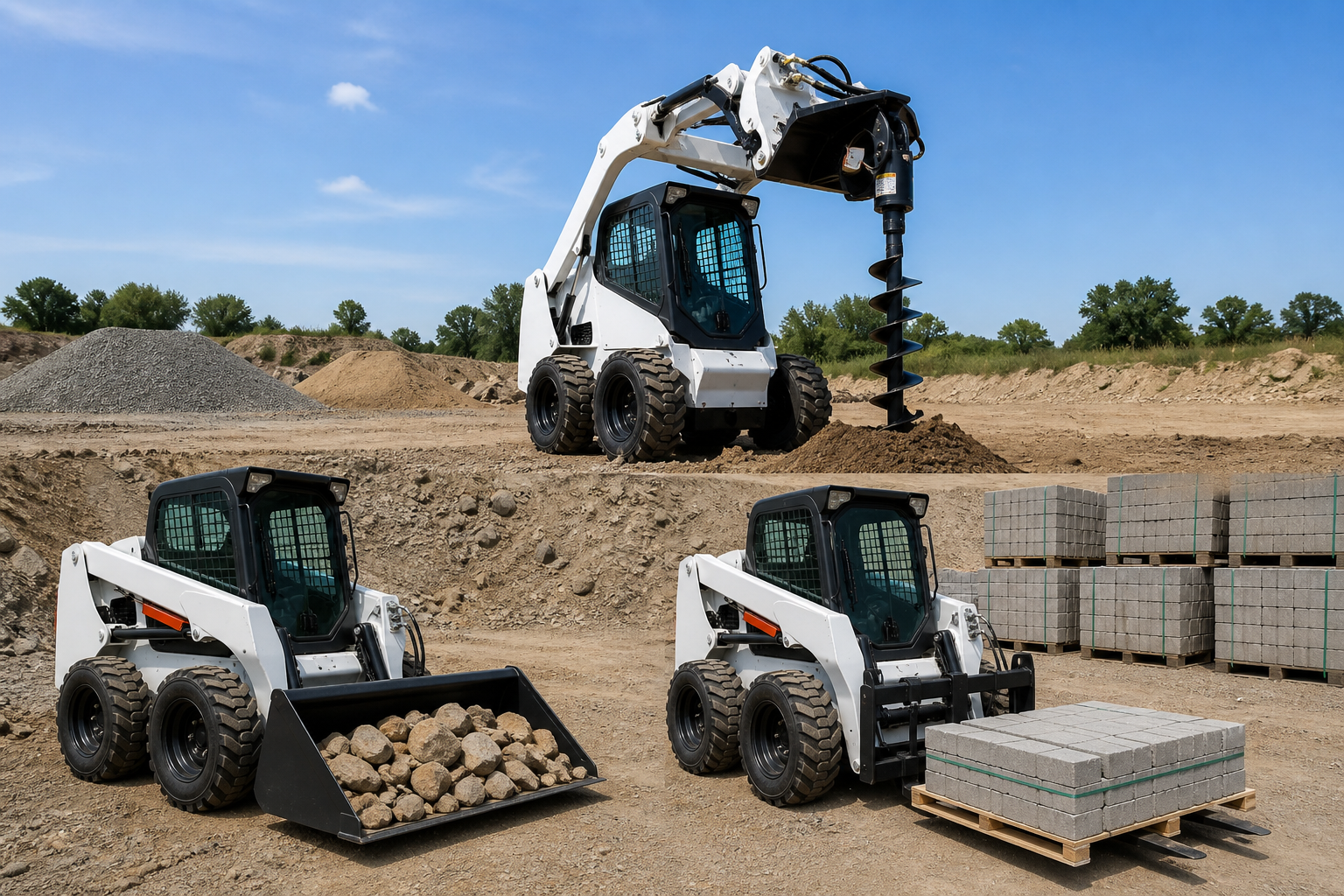
The quick-attach system in action — switching between working tools in under two minutes transforms the skid steer from an earthmoving machine to a materials handler, driller, or demolition tool without leaving the cab
Skid steer loaders are rated primarily by rated operating capacity (ROC) — the maximum load that can be lifted to full height at 50% of tipping load. Selecting the correct ROC for the primary application avoids both underpowering the machine and paying for capacity that never gets used. Kesen's construction-focused range covers three operational bands:
"On a constrained construction site, the skid steer doesn't replace the excavator or the loader. It handles the 40% of tasks that neither of them can reach — and that 40% is where the schedule delays actually live."
Construction activity in Sub-Saharan Africa, Southeast Asia, the Middle East, and Latin America is expanding at rates that consistently outpace equipment fleet growth. Infrastructure investment programmes, urban housing development, and commercial real estate expansion in these regions create sustained demand for compact, versatile, field-serviceable construction equipment — precisely the segment where skid steer loaders deliver their strongest value proposition.
Kesen's skid steer range is built on diesel powertrains suited to markets with unreliable grid access, features field-replaceable wear components stocked by the company's five-year spare parts supply commitment, and carries CE and EPA certifications for primary export market compliance. Distributor onboarding includes application matching support and operator training materials in multiple languages.
Explore the full Kesen skid steer loader range at www.shandongkesen.com/skid-steer-loader, or contact the Kesen team directly via WhatsApp at +86-189 53266099 to discuss model selection, ROC requirements, attachment packages, or OEM partnership options for your regional market.
— Kesen Machinery: Built for Sites Where Space Is the Constraint —
 Hot News
2026-06-16
2024-12-26
2024-12-26
2024-10-11
2024-09-18
2024-09-09
Kesen Machinery was founded in 2003 with the goal of producing high-quality products for customers and providing world-class equipment support for all forestry and construction customers.
Copyright © Shandong Kesen Machinery Manufacturing Co., Ltd. All Rights Reserved- Privacy Policy- Blog
 EN