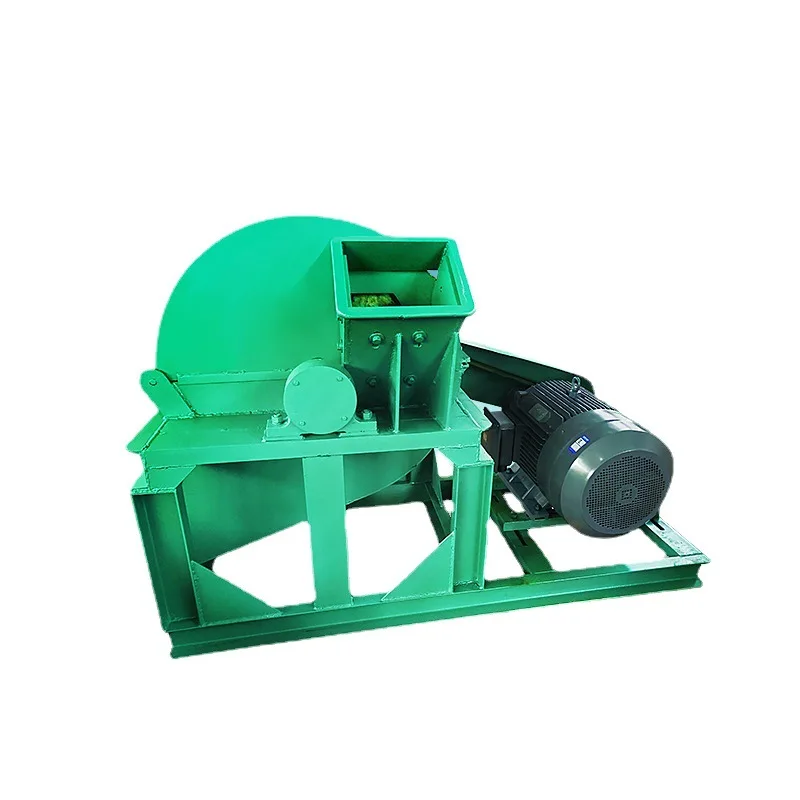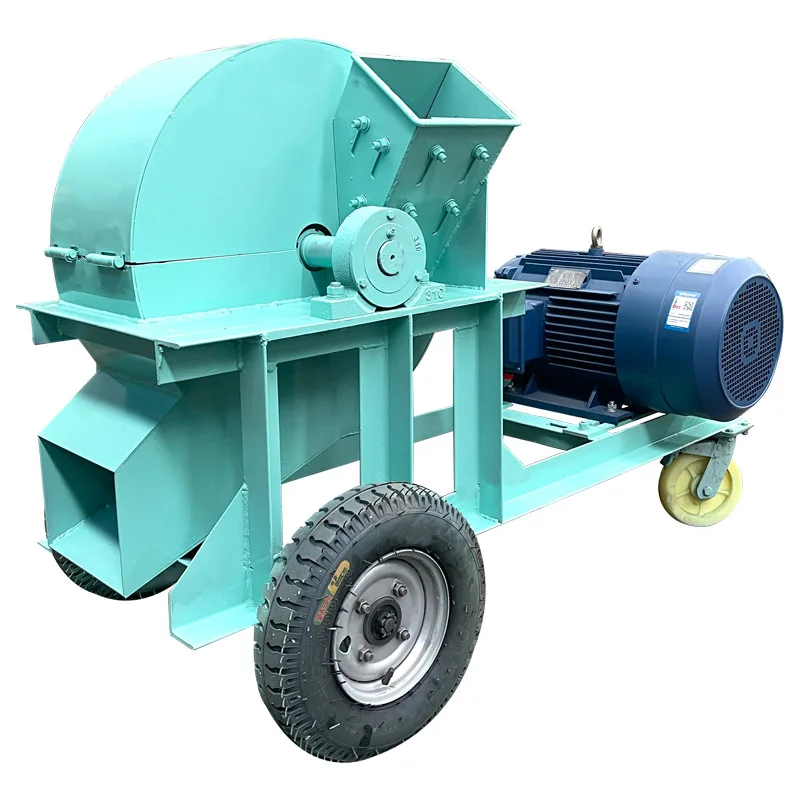
For businesses already utilizing wood chippers or considering substantial investments in chipping capacity, operational excellence separates profitable, sustainable operations from those plagued by downtime, safety incidents, and inefficient output. At Shandong Kesen, we combine equipment engineering with practical field insights to help clients optimize their chipping operations. This article explores advanced strategies that transform good equipment into exceptional productivity.
Pre-Operational Planning: Setting the Stage for Success
Effective chipping begins long before the engine starts. Sophisticated operations implement systematic approaches:
Site Assessment and Preparation: Designate specific areas for material staging, processing, and chip collection. Ensure adequate space for equipment maneuvering with particular attention to discharge chute rotation radius. For stationary operations, consider wind direction relative to typical discharge orientation to minimize dust exposure.
Material Sorting and Preprocessing: While modern wood chippers handle considerable variety, presorting material dramatically improves throughput. Separate clean wood from leafy material, identify and remove contaminants (wire, nails, stones), and group similar diameter pieces. For particularly twisted or forked limbs, strategic precutting reduces potential jams.
Equipment Inspection Protocol: Develop and enforce a comprehensive pre-start checklist. Beyond basic fluid levels and tire pressure, examine cutting blades for sharpness, check hydraulic fittings for leaks, verify safety mechanisms function properly, and ensure all guards remain securely in place. Documenting inspection results creates maintenance history and accountability.
Advanced Feeding Techniques for Optimal Throughput
Experienced operators develop nuanced feeding methods that maximize machine efficiency while minimizing wear:
Angle and Sequence Feeding: Rather than forcing material straight into the hopper, experienced operators often feed branches at slight angles, allowing the chipper to grip more effectively. When processing multiple smaller branches, bundling them into larger "packages" often produces more consistent feeding than individual pieces.
Listening-Based Operation: Develop familiarity with your machine's normal acoustic signatures. Changes in engine tone, hydraulic whine, or chipping rhythm often provide the first indication of developing issues, allowing intervention before jams occur.
Maintenance Strategies That Extend Equipment Life
Professional wood chippers represent substantial investments; protective maintenance preserves both function and value:
Blade Management: Rather than waiting for obvious performance degradation, implement scheduled blade rotation based on operating hours. Keep multiple sharpened blade sets available for quick changeover during longer operations. For operations processing abrasive materials (sandy bark, certain tropical woods), inspect edges more frequently.
Bearing and Drive Attention: Chipper bearings endure tremendous stress. Monitor temperature and vibration patterns, addressing abnormalities immediately. Belt-driven systems require proper tension maintenance; overtightening causes bearing wear while undertightening reduces power transmission.
Seasonal Adaptation: Prepare equipment for operating environment changes. Winter operations may require different hydraulic fluid viscosity, while summer dust conditions demand more frequent air filter service. For equipment stored between seasons, implement proper preservation procedures including fuel stabilization and corrosion protection.
Safety Culture: Beyond Basic Compliance
While all manufacturers provide safety guidelines, exceptional operations embed safety into organizational culture:
Pre-Task Analysis: Before beginning any chipping operation, crew members should collaboratively identify specific hazards related to that day's material, site conditions, and personnel assignments.
Communication Protocols: Establish clear visual and auditory signals between feeding personnel, equipment operators, and support staff. Two-way radios often enhance coordination, particularly with noisy equipment.
Personal Protective Equipment (PPE) Evolution: Beyond basics like eye protection, hearing protection, and gloves, consider innovations such as protective chaps specifically designed for chipper operators, or helmet systems integrating hearing, eye, and respiratory protection.
Emergency Response Preparedness: Regularly practice emergency shutdown procedures from various positions around the equipment. Ensure all personnel know medical kit locations and emergency communication methods for each worksite.
Innovative Applications: Expanding Your Service Offerings
Advanced operators leverage wood chippers to diversify revenue streams:
Custom Chip Production: Different clients require specific chip characteristics. Landscapers often prefer decorative uniform chips, while biomass facilities require precisely sized fuel chips. Developing capability to produce multiple specifications opens additional markets.
On-Site Processing Services: Offering mobile chipping services for municipalities, utility companies, or large property owners creates predictable utilization for your equipment between larger projects.
Chip Enhancement: Some operators add color treatments to chips for premium landscaping mulch, or blend chip types for specific horticultural applications.
Disaster Response Specialization: Storms regularly create enormous volumes of downed timber. Equipment and crews trained for post-storm conditions provide valuable community service while maintaining equipment utilization.
At Shandong Kesen, we continuously refine our equipment designs based on real-world operational feedback. Our commitment extends beyond manufacturing to supporting our clients' success through comprehensive resources including operational guides, maintenance tutorials, and technical consulting. The most sophisticated equipment achieves its potential only when paired with knowledgeable operation and strategic maintenance. By investing in both advanced machinery and operational excellence, businesses transform wood chippers from simple waste processors into core components of sustainable, profitable operations that efficiently manage organic materials while contributing to environmental stewardship through resource recovery and reuse.
 Hot News
2026-06-16
2024-12-26
2024-12-26
2024-10-11
2024-09-18
2024-09-09
Kesen Machinery was founded in 2003 with the goal of producing high-quality products for customers and providing world-class equipment support for all forestry and construction customers.
Copyright © Shandong Kesen Machinery Manufacturing Co., Ltd. All Rights Reserved- Privacy Policy- Blog
 EN
EN