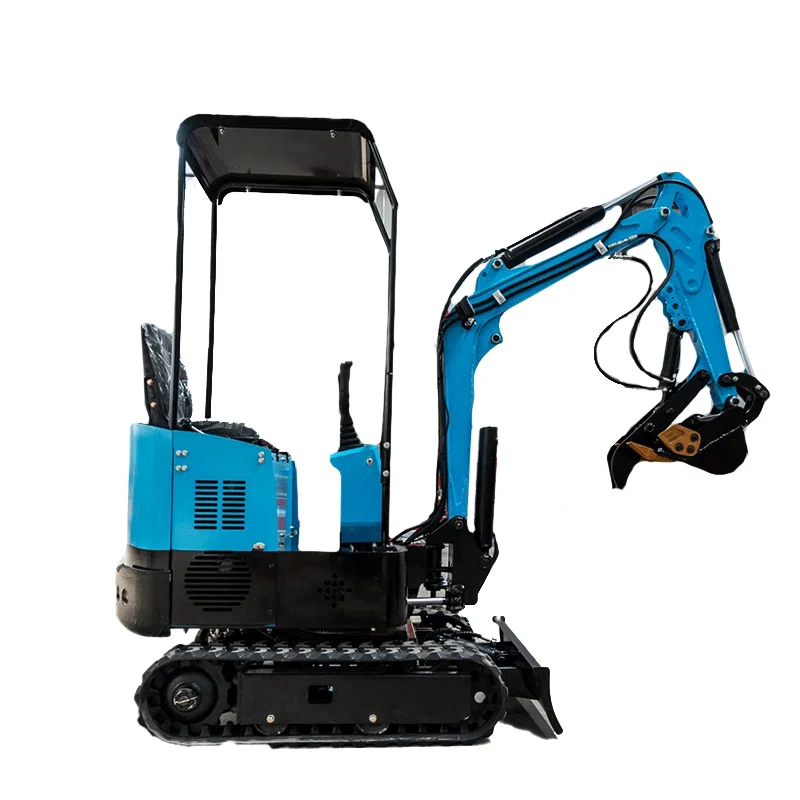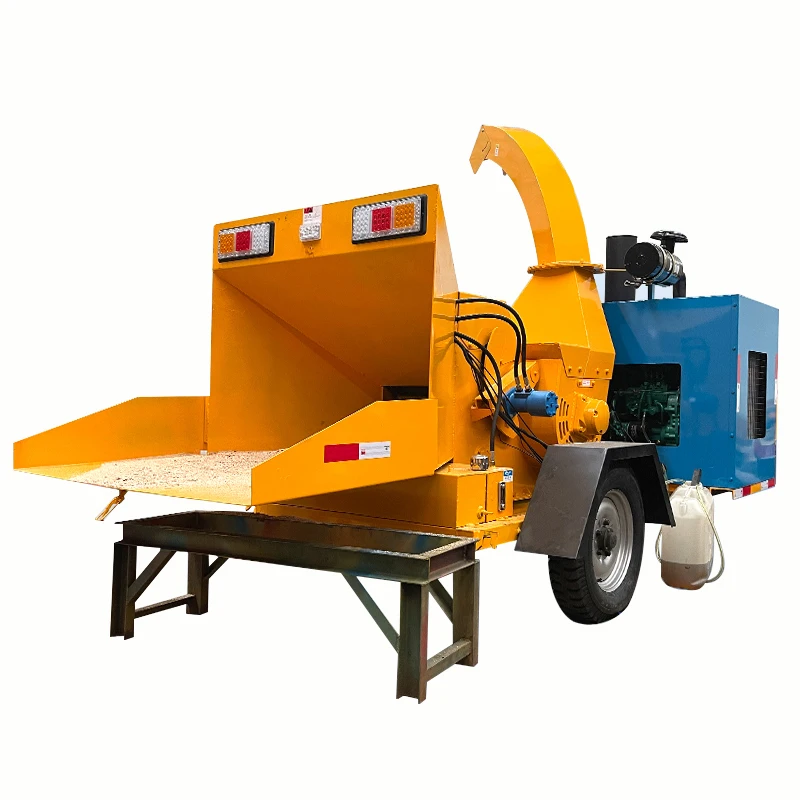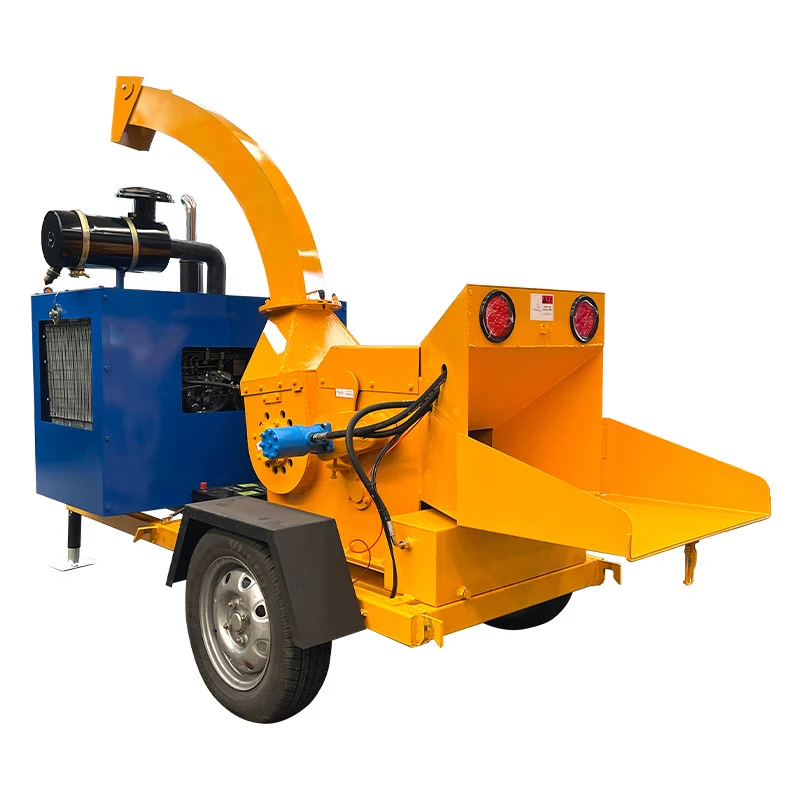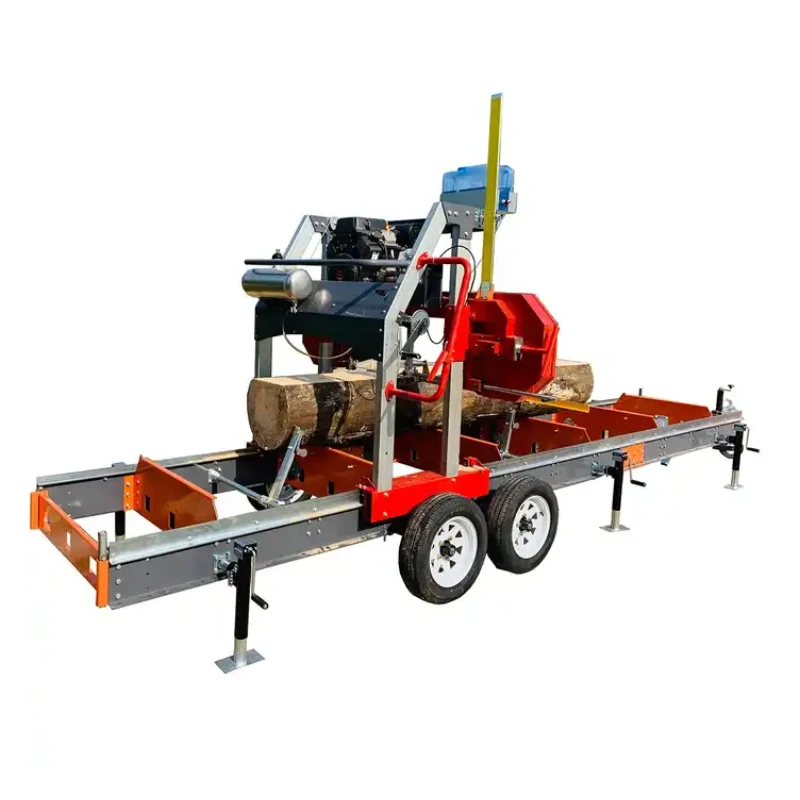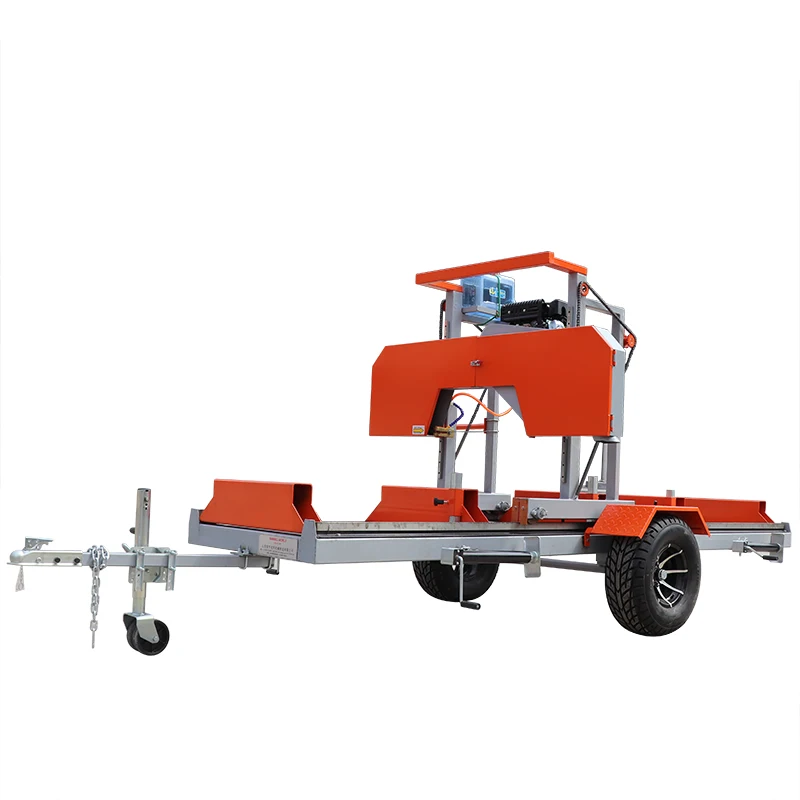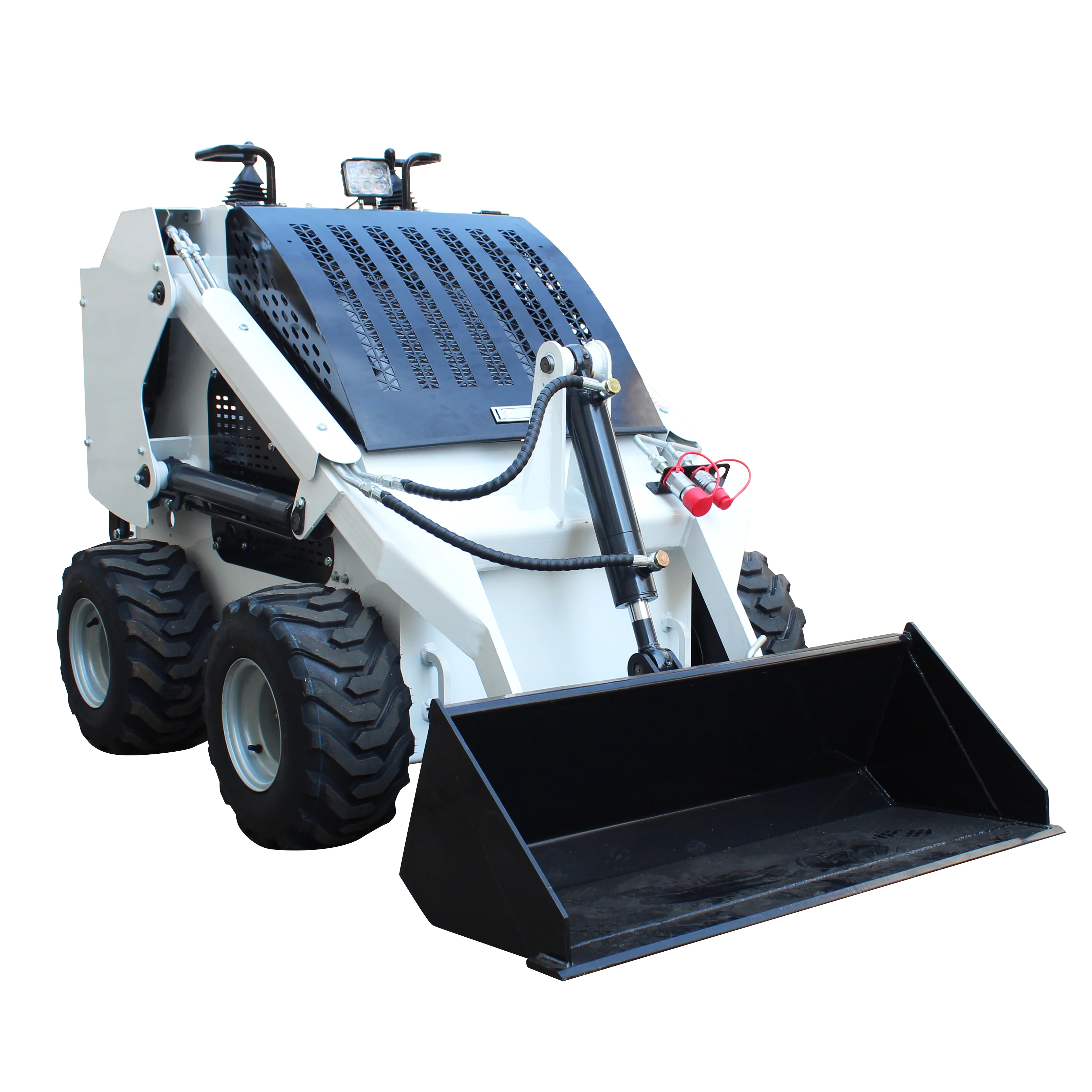
When sourcing forestry and landscaping equipment — bandsaw sawmills, wood chippers, log splitters — most buyers anchor their decision on a single number: the invoice price. But that number typically represents less than 40% of what you will actually spend over the machine's service life.
Total Cost of Ownership (TCO) accounts for everything: spare parts, downtime, maintenance labor, shipping delays, end-user returns, and the reputational cost of a machine that fails in the field. For distributors, fleet managers, and brand owners, understanding TCO is not an accounting exercise — it is the difference between a profitable long-term supplier relationship and a procurement mistake that erodes margin year after year.
A 3000 wood chipper that requires 800 in replacement blades every season, sits idle for two weeks waiting for parts, and generates three warranty claims per year does not cost 3,000.Over five years,it may cost 12,000 or more — and that is before accounting for the orders you lose because your customers lose patience.
The three largest hidden cost drivers are spare parts availability, quality-related failure rates, and after-sales response time. Each multiplies over the equipment's lifespan. All three are knowable before you place an order — if you ask the right questions.
Industry standard spare parts coverage for outdoor power equipment is one to two years. After that window closes, parts pricing becomes unpredictable. A supplier may discontinue a blade, change a coupling design, or simply raise prices 30% year-over-year — and you, as the distributor or end user, have no leverage.
A supplier that commits to a five-year strategic parts program changes the math entirely. Fixed pricing on critical wear components over half a decade lets you forecast service costs accurately, protect your after-sales margin, and give customers predictable annual maintenance budgets. When evaluating suppliers, ask: "What is your locked-in parts pricing window, and which components are covered?"
Every machine that leaves the factory with a defect is a machine that will cost someone money — in freight for returns, in technician hours for repair, and in customer goodwill that cannot be recovered. A supplier's quality control system is therefore one of the most direct predictors of your long-term TCO.
Look for manufacturers whose QC process goes beyond a final inspection. A multi-gate system — where designs are reviewed before production, raw materials are verified upon arrival, every production step is signed off by the operator, and finished products pass full inspection before shipping — catches problems at the stage where they are cheapest to fix. For the buyer, this translates to a lower defect rate, fewer end-user complaints, and lower warranty processing costs. When a manufacturer can show you traceability from raw material to finished machine, you are not just buying equipment — you are buying predictability.
A machine that sits idle is a machine that is not generating revenue. For a commercial landscaping company, one day of downtime during peak season can mean hundreds of dollars in lost billings. For a sawmill operator, a broken bandsaw halts the entire production line.
The difference between a 24-hour response commitment and a 72-hour response is not two days — it is the difference between a minor operational hiccup and a client relationship that may not recover. When a supplier offers a dedicated key account manager as a single point of contact for all issues, the elimination of internal relay delays alone can cut resolution time by more than half. Ask prospective suppliers: "If my customer's machine goes down on a Friday, who answers my call, and when?"
Consider a hypothetical distributor importing 50 wood chippers per year. With a supplier offering a two-year parts guarantee and average quality control, assume a 5% annual defect rate, variable parts pricing after year two, and a 48-hour average response time. Over five years, the cumulative cost of returns, parts markups, and customer compensation can exceed $45,000 — close to 15% of the initial equipment investment.
With a supplier offering a five-year fixed-price parts program, a traceable multi-gate QC system, and a sub-24-hour response commitment, that same distributor's five-year incident cost typically falls below 3% of the equipment investment. The unit price might be slightly higher on paper. The real cost over half a decade is dramatically lower.
The procurement conversation that focuses only on unit price is a conversation that costs you money. Add three questions to every supplier evaluation: How long is your fixed-price parts commitment? Walk me through your quality control gates. What is your guaranteed response time — and who is my contact?
A supplier that can answer all three with specific numbers and documented processes is a supplier whose invoice price you can trust. Anyone else is asking you to gamble — and in the forestry machinery business, the house always wins on gambles.
Shandong Kesen Machinery Manufacturing Co., Ltd. offers a five-year strategic spare parts program, a five-gate traceable quality control system, and dedicated key account management with 24-hour response commitment across 65 export markets. Contact us to discuss how our TCO model can reduce your long-term equipment costs.
 Hot News
2026-06-16
2024-12-26
2024-12-26
2024-10-11
2024-09-18
2024-09-09
Kesen Machinery was founded in 2003 with the goal of producing high-quality products for customers and providing world-class equipment support for all forestry and construction customers.
Copyright © Shandong Kesen Machinery Manufacturing Co., Ltd. All Rights Reserved- Privacy Policy- Blog
 EN
EN