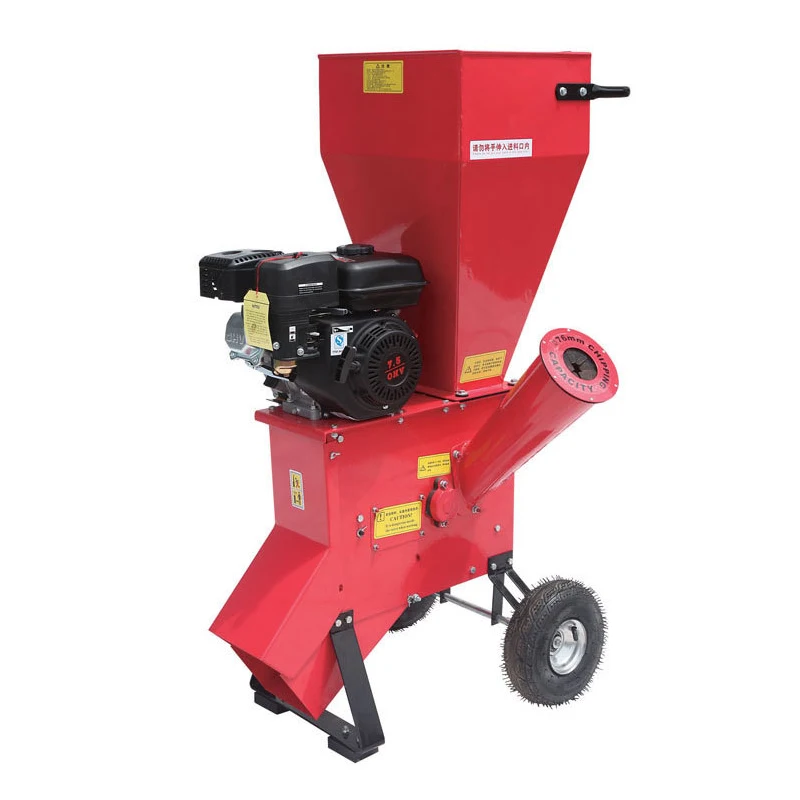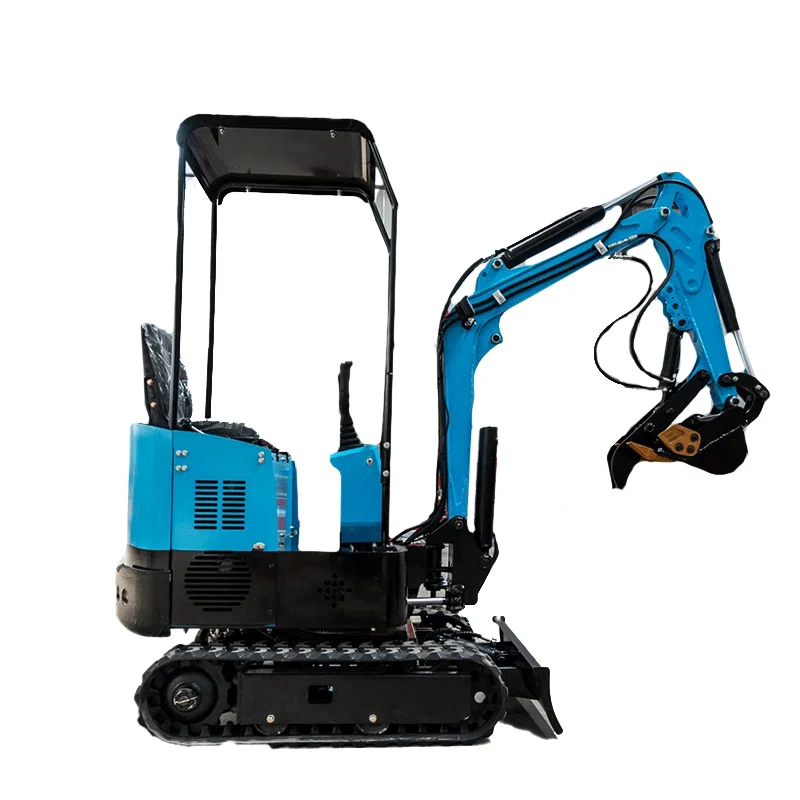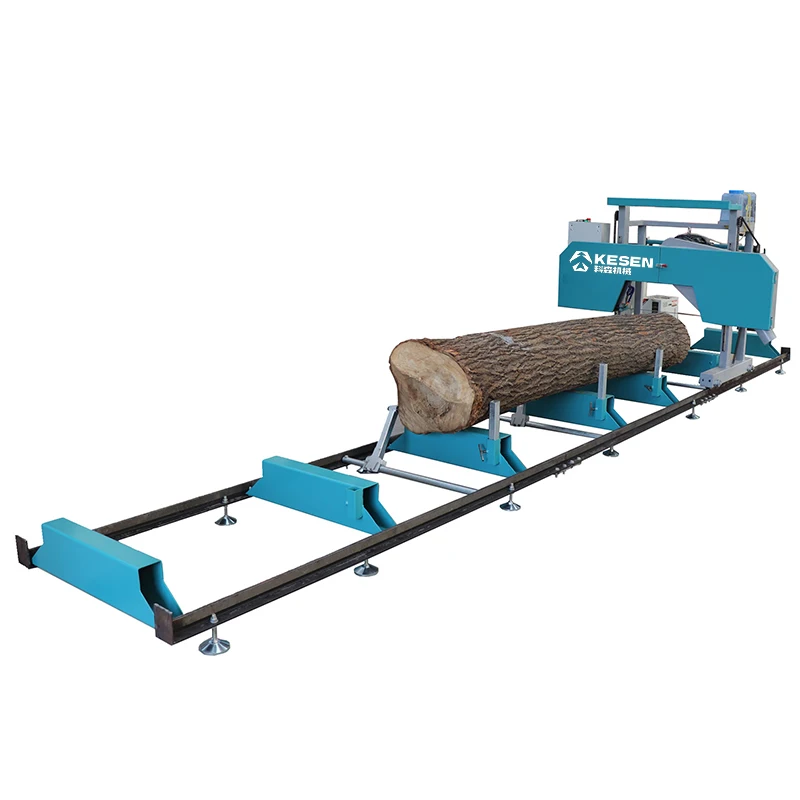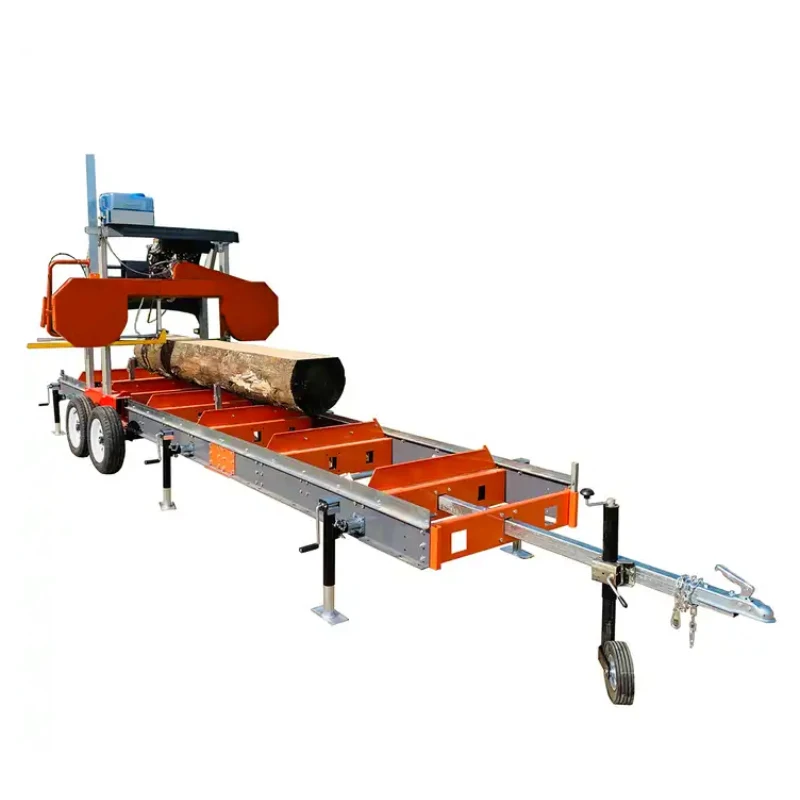
A wood chipper looks simple from the outside — feed branches in, get chips out. But not all chippers are built the same, and the gap between a professional-grade machine and a budget model becomes apparent fast: in throughput, blade longevity, chip quality, and total cost of ownership over three to five years.
This guide walks through the specifications that actually matter, the red flags to avoid, and the questions to ask any supplier before placing an order.
What Is a Wood Chipper Used For?
Wood chippers shred branches, shrubs, and organic garden waste into chips or mulch. Applications span a wide range:
Agriculture: Processing pruning waste from orchards, vineyards, and crop fields
Municipal landscaping: Clearing storm debris and roadside vegetation
Professional landscaping: Job-site cleanup and mulch production
Forestry and logging: Reducing slash and brush after harvesting
Home and garden: Managing garden waste without hauling to a dump
Each application has different demands on chip size, feed capacity, and power source. A chipper that performs well for a homeowner will frustrate a municipal crew by lunchtime.
Key Specifications to Evaluate
1. Chipping Capacity (Max Branch Diameter)
This is the most commonly misrepresented spec in budget-tier machines. A chipper rated for "4-inch branches" in marketing materials may only sustain that capacity with softwood — hardwood loads at 3 inches may already bog the engine.
What to check: Ask for rated capacity at continuous operation, not peak capacity. The difference matters during long workdays.
Light-duty (home use): up to 2.5"
Mid-range (professional landscaping): 3"–6"
Heavy-duty (municipal / forestry): 6"–12"+
2. Engine Power and Type
Engine power determines sustained cutting performance, especially with dense hardwood.
Gasoline engines: Most portable chippers use gas. Look for well-known engine brands with available service networks in your country.
Diesel engines: More fuel-efficient at high loads, preferred for heavy-duty continuous operation.
Electric motors: Suitable for stationary setups with reliable grid power; lower emissions and noise.
PTO-driven: Attaches to a tractor's power take-off — excellent for farm operations that already run tractors.
A rule of thumb: under-spec the engine and you'll fight every large branch. Over-spec slightly and your blades last longer, your operator is less fatigued, and your throughput is consistent.
3. Infeed and Discharge Design
The infeed mechanism — whether manual or self-feeding — significantly affects both productivity and safety.
Self-feeding chippers use a set of rollers that pull material in automatically. This frees the operator's hands and reduces fatigue on large jobs.
Manual feed gives the operator more control over chip size and is simpler to maintain.
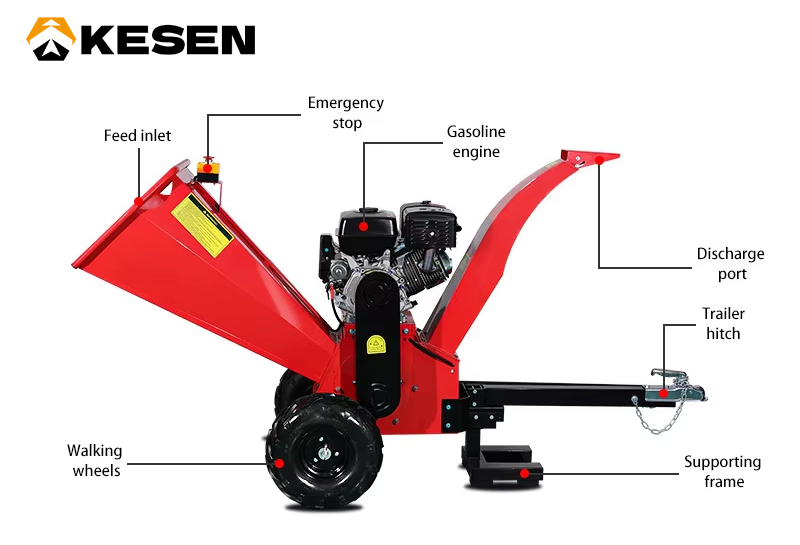
Discharge direction matters too: a 360° rotating discharge chute lets the operator direct chips into a truck bed or away from the work area without repositioning the machine.
4. Blade and Knife System
Blades are the consumable heart of any chipper. The two main questions:
How many blades? More blades generally means finer, more consistent chips.
How easy is blade replacement? On budget machines, changing blades requires disassembly that takes 30–60 minutes per change. Professional machines allow tool-based blade changes in under 10 minutes.
What steel grade? High-chromium or tungsten-tipped blades outlast standard carbon steel significantly. Always ask for blade material specs, not just "hardened steel."
5. Chip Size Control
Not all end uses require the same chip size. Mulch for landscaping needs smaller, finer chips; biomass applications can tolerate larger pieces; erosion control products require consistent sizing.
Higher-end machines include adjustable screens or multiple-position discharge gratings that let the operator control output size without stopping work. Budget machines produce whatever comes out.
6. Mobility and Transport
Tow-behind chippers (with a trailer hitch) are the most versatile for on-site work
Skid-mounted units work for stationary setups at a facility
Self-propelled chippers are available for large-scale municipal operations
Tyre size and ground clearance matter if you're working on rough terrain or soft soil after rain.
Red Flags in Budget Wood Chippers
No blade replacement documentation. If the supplier can't tell you exactly how to change blades and what replacement blades cost, that's a warning sign.
No certification markings. CE marking (required for sale in the EU) and EPA compliance (required for the U.S. market) confirm that the machine has been tested to basic safety and emissions standards. A chipper without these marks cannot legally be sold in most Western markets — which also means it may not have passed the associated performance tests.
No spare parts commitment. This is the most expensive oversight a buyer can make. A chipper with no parts availability after 18 months is either a disposal cost or a repair nightmare. A manufacturer that guarantees parts availability for 5 years is giving you a fundamentally different cost structure.
Why Machine Quality Reflects Manufacturer Quality
The specifications above are only as trustworthy as the manufacturer's quality control process. A chipper that passes one inspection at shipment is different from a chipper that passed five quality gates — from raw material intake through final full inspection — before leaving the factory.
At Kesen Machinery, every wood chipper goes through a documented 5-stage quality control process: design review, raw material inspection (three checks before materials enter production), step-by-step production sign-off, double full inspection at shipment, and complete material traceability documentation. Our machines carry CE, TUV, and EPA certification — making them compliant for the U.S., EU, and most international markets without additional paperwork from the importer.
We back every machine with a 5-year spare parts guarantee, compared to the 1–2 year industry standard. MOQ is 1 unit with sample delivery in 7 days, so you can test performance against your actual job site conditions before scaling your order.
The Bottom Line
A wood chipper is a long-term piece of equipment. The purchase price is one line item; maintenance costs, blade replacement frequency, downtime, and parts availability determine what you actually spend over five years. Buy on specifications, not on sticker price — and ask the hard questions before the order is placed.
Ready to find the right chipper for your operation? Contact our team with your branch diameter, daily volume, and power source preference, and we'll match you with the right model.
 Hot News
2026-06-16
2024-12-26
2024-12-26
2024-10-11
2024-09-18
2024-09-09
Kesen Machinery was founded in 2003 with the goal of producing high-quality products for customers and providing world-class equipment support for all forestry and construction customers.
Copyright © Shandong Kesen Machinery Manufacturing Co., Ltd. All Rights Reserved- Privacy Policy- Blog
 EN
EN