
 EN
EN
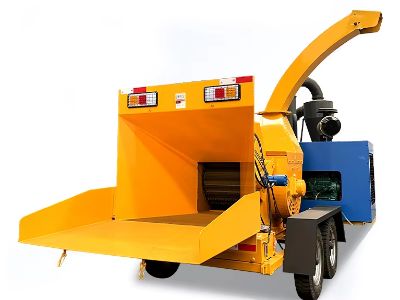
When it comes to yard work, two machines often come up: wood chippers and shredders. Both machines help break down wood and plant materials, but they do it in slightly different ways. Kesen offers both types of machines, so it's important to know which one best fits your needs. Choosing the right machine can make a big difference in how easily you manage yard waste. This article will help you understand the key differences and how these machines can improve your work efficiency
What Are the Key Differences Between Wood Chippers and Shredders for Wholesale Buyers
Wood chippers, Log Splitters, and shredders are designed for different types of yard waste. Wood chippers are built to handle larger pieces of wood, such as tree branches and small trunks, using sharp blades to cut them into wood chips that can be used as mulch or disposed of easily. Shredders, on the other hand, are better suited for softer materials like leaves, grass, and small twigs, using hammers or flails to crush and shred them into finer pieces. When choosing a machine for your business, consider the type of material you process most often. If you mainly handle branches and logs, a wood chipper is the better choice. If your work involves leaves and lighter yard waste, a shredder will be more suitable. Kesen offers reliable machines for both applications, with wood chippers providing higher capacity for thicker materials and shredders delivering efficient processing for lighter, bulkier waste
How Do Wood Chippers and Shredders Impact Your Operational Efficiency
Using the right machine can greatly improve your operational efficiency. Wood chippers quickly process large branches and logs, reducing the time and labor needed for cleanup, making them ideal for landscaping, tree care, and forestry businesses. Shredders efficiently process leaves, grass, and small branches into mulch or compost material, helping reduce waste while creating useful landscaping products. Kesen designs its machines to be easy to operate, allowing workers to learn quickly and spend less time on training. Reliable equipment also requires fewer repairs and less downtime, keeping operations running smoothly. By selecting the right machine for your workload, businesses can increase productivity, reduce waste sent to landfills, and improve overall efficiency
What Features Should You Look for When Buying a Wood Chipper or Shredder
When choosing a wood chipper, Skid Steer Loader, or shredder, consider the machine's size, power source, cutting system, safety features, and ease of use. Larger wood chippers are ideal for handling thick branches, while shredders are better for processing leaves and smaller debris. Gas-powered models typically offer more power for demanding jobs, while electric models are quieter, lighter, and easier to maintain for lighter workloads. The cutting mechanism also matters, with sharp blades performing well on hardwood and hammer-style systems working effectively on softer materials. Safety guards, emergency stop switches, wheels for mobility, and collection bags are valuable features that improve convenience and safety. Kesen designs user-friendly machines that combine performance, durability, and ease of operation
How to Maintain Your Wood Chipper or Shredder for Long-Term Performance
Proper maintenance helps keep your wood chipper, Chipper Shredders, or shredder running efficiently and extends its service life. Always follow the maintenance guidelines in the owner's manual and inspect the blades regularly, sharpening or replacing them when they become dull. Clean the machine after each use by removing wood chips, leaves, and debris to prevent rust and blockages. Check bolts, fasteners, and moving parts to ensure everything remains secure. Store the machine in a dry, covered location when not in use to protect it from moisture and weather damage. For gas-powered models, regularly check the oil level, while electric models should have their power cords inspected for wear. Kesen recommends performing routine inspections every few months to keep your equipment operating safely and efficiently
Common Mistakes to Avoid When Buying a Wood Chipper or Shredder
Many buyers make mistakes by choosing a machine that does not match their actual needs. Purchasing a shredder when you mainly process branches, or selecting a wood chipper when you only need to handle leaves, can reduce efficiency and increase costs. Another common mistake is choosing the wrong power source, such as buying a heavy gas-powered model when a lightweight electric machine would be sufficient, or selecting an electric unit that lacks the power for demanding work. Buyers should also avoid overlooking safety features, machine size, and maneuverability. Reading customer reviews and comparing product specifications can help you make a better decision. Kesen recommends researching carefully before purchasing to ensure you select a machine that offers the right performance, safety, and value for your specific applications.
Table of Contents
- What Are the Key Differences Between Wood Chippers and Shredders for Wholesale Buyers
- How Do Wood Chippers and Shredders Impact Your Operational Efficiency
- What Features Should You Look for When Buying a Wood Chipper or Shredder
- How to Maintain Your Wood Chipper or Shredder for Long-Term Performance
- Common Mistakes to Avoid When Buying a Wood Chipper or Shredder