
 EN
EN
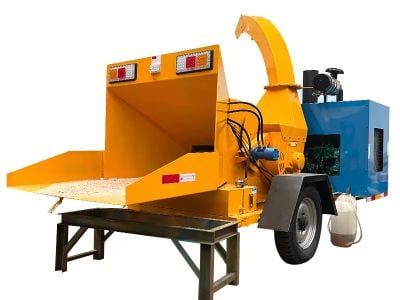
How Wood Chippers Enhance Sustainability in Wholesale Landscaping?
In wholesale landscaping, Wood Chippers play an important role in reducing waste and improving efficiency. After trimming trees or maintaining parks, landscapers are often left with large amounts of branches, twigs, and leaves. Rather than disposing of this material, they can use Kesen Wood Chippers to produce mulch or wood chips that benefit gardens and landscapes.
Wood mulch helps retain soil moisture, suppress weeds, regulate soil temperature, and gradually return nutrients to the ground. This improves plant health while reducing the need for chemical fertilizers. Kesen's Chipper Shredders are designed to process different types of wood waste efficiently, making them ideal for landscaping companies, municipalities, and commercial maintenance contractors.
Using wood chips also supports climate-friendly landscaping. Instead of allowing wood waste to decompose in landfills and release greenhouse gases, the recycled material remains useful as ground cover and soil enrichment. This sustainable approach helps businesses reduce waste while creating healthier outdoor spaces.
What Are the Key Benefits of Using Wood Chippers for the Circular Economy?
Using Wood Chippers offers many advantages for businesses that support the circular economy. The biggest benefit is waste reduction. Instead of discarding tree branches and wood debris, companies can convert them into valuable materials that can be reused on future projects.
The resulting wood chips can be used as mulch, compost ingredients, playground surfacing, or landscaping materials. Some businesses even sell excess wood chips to gardeners, farms, or local communities, creating additional revenue while reducing disposal costs.
Recycled wood products also improve soil quality by adding organic matter and supporting healthy microorganisms. Better soil encourages stronger plant growth and creates habitats for beneficial insects and wildlife, helping increase biodiversity in both urban and rural environments.
Kesen understands that every piece of wood waste has value. Their Wood Chippers and Chipper Shredders help businesses turn waste into useful resources while lowering operating costs and supporting environmental sustainability.
How to Choose the Best Wood Chipper for Your Circular Economy Initiatives?
Selecting the right Wood Chipper depends on your workload and project requirements. Small landscaping businesses or homeowners may only need compact models for light pruning, while commercial contractors handling large branches require more powerful equipment.
Start by considering the type of material you'll process. Softwoods and garden waste require less power than hardwood branches and thick logs. Kesen offers a variety of Wood Chippers designed for different capacities, making it easier to choose equipment that matches your needs.
Safety should also be a priority. Look for features such as emergency stop controls, protective guards, and user-friendly feeding systems. Easy maintenance is equally important, as regular cleaning and blade inspection help maintain consistent performance.
For businesses handling complete land management projects, Kesen also supplies complementary equipment such as Lawn Mowers, Log Splitters, Portable Bandsaw Sawmills, Skid Steer Loaders, and Tricycle, providing efficient solutions for a wide range of outdoor operations.
What Are Common Usage Issues with Wood Chippers and How to Solve Them?
Like any equipment, Chipper Shredders perform best when used correctly. One common issue is machine clogging, which usually happens when operators feed oversized branches or too much material into the hopper at once. Following the recommended capacity and feeding material gradually helps prevent blockages.
Another concern is blade wear. Dull blades reduce cutting efficiency and place additional strain on the machine. Regular blade inspection and sharpening help maintain smooth operation and improve productivity.
Noise is another factor to consider. Since Wood Chippers generate significant sound during operation, users should wear hearing protection and operate the equipment during appropriate working hours to minimize disturbance.
Routine maintenance including cleaning debris, checking belts, lubricating moving parts, and inspecting safety components keeps Kesen Wood Chippersoperating reliably while extending their service life.
How Wood Chippers Contribute to Urban Green Spaces and Biodiversity?
Wood Chippers make an important contribution to healthier urban environments. Instead of sending tree waste to landfills, cities and landscaping companies can recycle it into mulch for parks, gardens, walking trails, and public green spaces.
Wood mulch improves soil health by conserving moisture, reducing erosion, and supplying organic nutrients as it naturally decomposes. Healthier soil supports stronger trees, flowers, and shrubs, creating better habitats for birds, insects, and other wildlife.
Kesen Wood Chippers help municipalities and contractors recycle green waste, efficiently while supporting cleaner, greener communities. Combined with equipment like Lawn Mowers, Chipper Shredders, Portable Bandsaw Sawmills, Skid Steer Loaders, Log Splitters, and Tricycles, businesses can build complete land management solutions that improve productivity while promoting sustainability and biodiversity.
Table of Contents
- How Wood Chippers Enhance Sustainability in Wholesale Landscaping?
- What Are the Key Benefits of Using Wood Chippers for the Circular Economy?
- How to Choose the Best Wood Chipper for Your Circular Economy Initiatives?
- What Are Common Usage Issues with Wood Chippers and How to Solve Them?
- How Wood Chippers Contribute to Urban Green Spaces and Biodiversity?