
 EN
EN
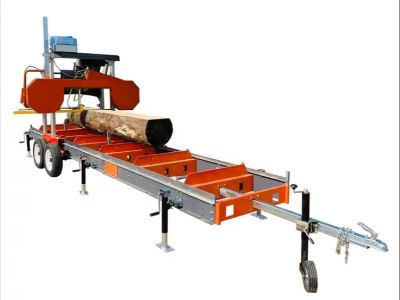
Biomass processing is a great way to turn waste materials into useful products. At Kesen, we know how important it is to find smart ways to use resources. One of the best tools for this job is the industrial wood chipper. These machines can take large pieces of wood and turn them into small chips. This not only helps in managing waste but also opens doors to many opportunities. By using industrial wood chippers, companies can process biomass materials effectively, helping the environment and creating new products., we will look at the benefits of biomass processing with these chippers and the types of materials that can be processed.
What Are the Key Benefits of Biomass Processing with Industrial Wood Chippers?
Biomass processing with industrial wood chippers has many benefits. First, it helps in waste management. Instead of throwing away wood scraps and branches, companies can turn them into useful chips. This means less waste in landfills. Second, it helps in producing energy. The chips can be used to make bioenergy, which is a cleaner alternative to fossil fuels. This can power homes and businesses, making energy cheaper and more sustainable. Third, using wood chips in landscaping can improve soil quality. Wood Chippers can be mixed into the ground to retain moisture and provide nutrients for plants. This is good for gardens, parks, and forests. Furthermore, when companies use wood chippers, they can save money. Instead of buying new materials, they can process what they have on-site. This lowers costs and makes operations more efficient. Lastly, it promotes a circular economy. By reusing materials, businesses contribute to a healthier planet. They reduce the need for new resources and help keep the environment clean. All these benefits make biomass processing with industrial wood chippers a smart choice for businesses, communities, and nature.
What Types of Biomass Materials Can Be Processed Using Wood Chippers?
Industrial wood chippers can handle a variety of biomass materials. These machines are not just for wood; they can process leaves, branches, and even some crops. For example, when trees are trimmed, the branches can be fed into the chipper to create wood chips. These chips can then be used for energy or landscaping. Additionally, plant materials from gardens or farms, like corn stalks and grass clippings, are also great for chipping. This turns what would be waste into something valuable. Some companies even use wood chips to create animal bedding or mulch. This shows how versatile wood chippers are. Not only can they turn large pieces into small ones, but they can also make different products from various materials. This flexibility allows businesses to adapt to different needs. They can find creative uses for the Chipper Shredders they process, leading to new opportunities and products. By using wood chippers, companies can make the most out of their resources and contribute to a more sustainable future.
When looking for quality wood chippers for high-volume biomass production, it’s important to know where to find the best options.
One of the best places to start is online. Many companies, like Kesen, have websites where you can see their products and learn about what they offer. You can compare different models and read reviews from other users. This will help you understand which wood chipper is right for you. Another great source is local Tricycle dealers. These dealers often have wood chippers in stock, and you can see them in person. This allows you to check the size, weight, and other features before making a decision. It's also a good idea to ask questions to the dealer. They can provide valuable insights and help you choose the best chipper for your needs. Trade shows and industry events are another awesome source. At these events, you can see many different wood chippers all in one place. You can talk to company representatives from Kesen and learn about the latest technology and features. Plus, you can often find special deals only available at these events. Lastly, don’t forget to consider used wood chippers. Many people sell their old machines when they upgrade. You can find good deals online or at local auctions. Just make sure to check the condition of the chipper and ask about its history before buying. This way, you can find a quality wood chipper that fits your budget and helps you produce high-volume biomass efficiently.
To make the most out of biomass processing with industrial wood chippers, you need to think about efficiency.
First, it's essential to choose the right wood chipper for your specific needs. Kesen offers various models that are designed for different types of materials and sizes. A chipper that is too small for your needs can slow down your work, while one that is too big might be more than you need. Once you have the right chipper, it’s important to keep it well-maintained. Regular maintenance like checking the blades, oiling moving parts, and cleaning the machine will ensure it runs smoothly. A well-maintained chipper can work faster and produce better-quality chips. Another way to maximize efficiency is to organize your workspace. Make sure the area is clear of obstacles so that you can move around easily. Set up a feeding station where you can quickly feed wood into the chipper. This can save time and reduce the risk of injury. Additionally, consider the timing of your work. Chopping wood during cooler parts of the day can help keep both you and the machine from overheating. Lastly, train your team on how to use the wood chipper safely and effectively. If everyone knows how to operate the machine properly, it will run more smoothly, and you can process biomass faster. By focusing on these areas, you can significantly improve your biomass processing with industrial wood chippers.
The world of industrial wood chippers is always changing with new technology and innovations. Kesen is at the forefront of these advancements, offering machines that are more efficient and easier to use. One of the latest innovations is the development of smart technology. This technology allows wood chippers to monitor their performance and alert operators when maintenance is needed. This means you can catch problems early and fix them before they become bigger issues. Another exciting innovation is the use of more powerful engines. These engines can handle larger logs and tougher materials, making your work faster and easier. There are also improvements in safety features. Many modern wood chippers come with safety guards and automatic shut-off systems. These features help protect operators from accidents, making the work environment much safer. Additionally, some chippers now have advanced feeding systems. These systems can automatically pull in wood, reducing the need for manual feeding and speeding up the process. Finally, there are eco-friendly innovations, such as electric wood chippers. These machines use electricity instead of gas or diesel, which reduces pollution and noise. This is great for people who want to be more environmentally friendly while doing biomass processing. By staying updated on these innovations, you can choose the right equipment that not only works well but also helps you contribute to a cleaner planet.
Table of Contents
- What Are the Key Benefits of Biomass Processing with Industrial Wood Chippers?
- What Types of Biomass Materials Can Be Processed Using Wood Chippers?
- When looking for quality wood chippers for high-volume biomass production, it’s important to know where to find the best options.
- To make the most out of biomass processing with industrial wood chippers, you need to think about efficiency.