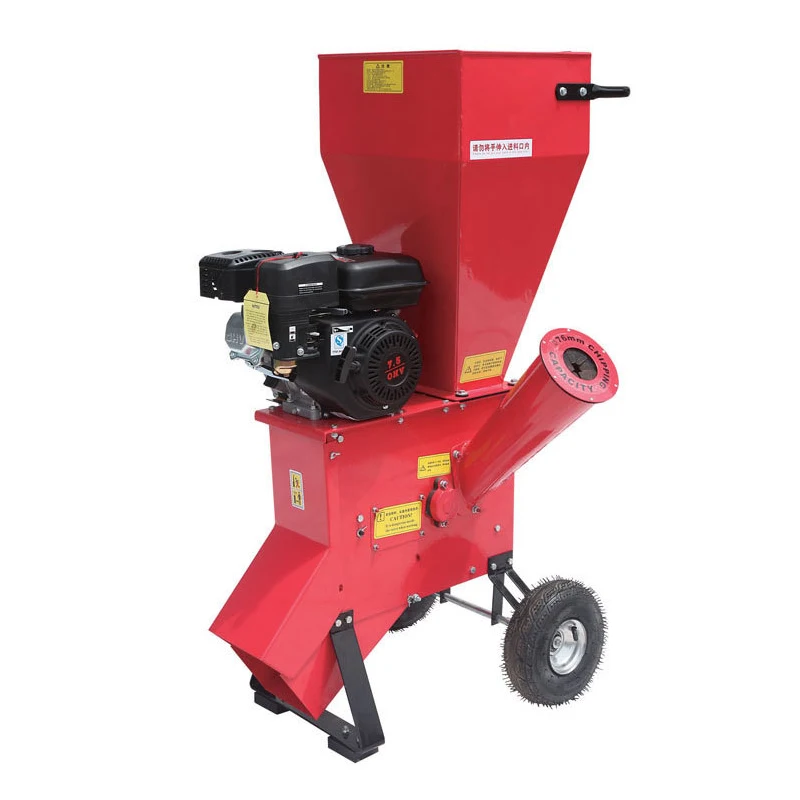
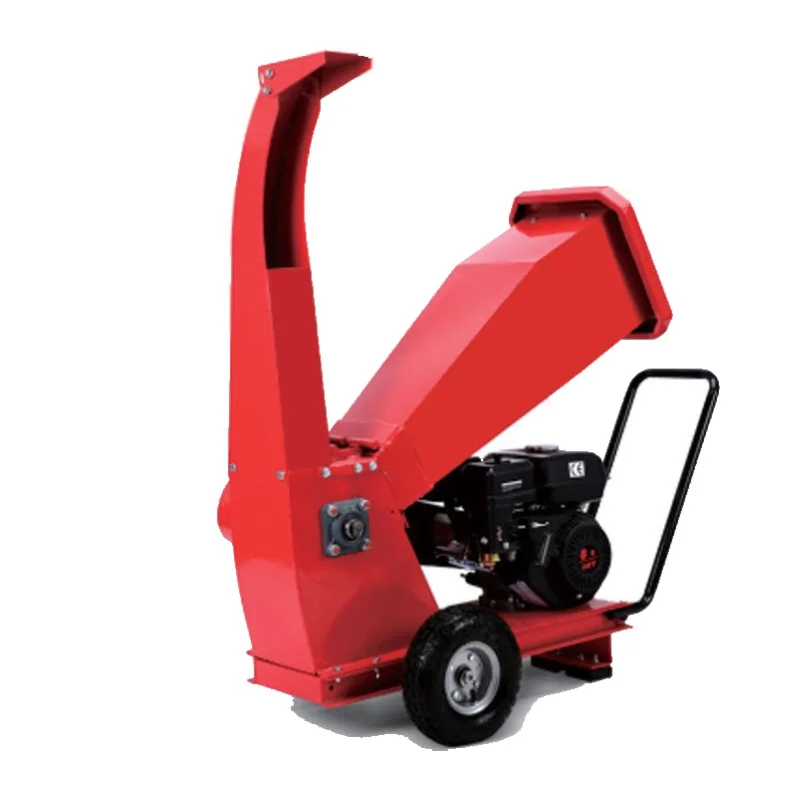
Občinske in industrijske dejavnosti vsakodnevno ustvarjajo velike količine organskih odpadkov – od obrezovanja dreves in padlih vej v občinskih zelenih površinah do kmetijskih ostankov in ostankov lesa v industrijskih obratih. Učinkovito ravnanje z njimi je ključnega pomena za ohranjanje čistih in varnih okolij, zmanjševanje stroškov odlagališč ter spodbujanje trajnostnosti. Lesni drobilniki visoke zmogljivosti so osnova učinkovitega ravnanja z odpadki v teh sektorjih, saj pretvarjajo obsežne organske odpadke v upravljive lesne drobince, ki jih je mogoče ponovno uporabiti ali reciklirati. Izbor pravega lesnega drobilnika visoke zmogljivosti pa ni rešitev, ki bi ustrezala vsem; zahteva natančno preučitev več ključnih dejavnikov, med drugim vrste odpadkov, obsega predelave, obratovalnih pogojev in skladnosti z okoljskimi standardi. Ta priročnik vas bo vodil skozi bistvene dejavnike, ki jih je treba upoštevati pri izbiri najprimernejšega lesnega drobilnika visoke zmogljivosti za vaše potrebe po ravnanju z občinskimi ali industrijskimi odpadki.
Prvi in najpomembnejši dejavnik, ki ga je treba upoštevati pri izbiri visokopropustnega drobilnika za les, je vrsta in velikost odpadkov, ki jih boste obdelovali. Komunalni odpadki običajno vključujejo veje, vejice, listje in majhne debla iz obrezovanja in odstranjevanja dreves, medtem ko industrijski odpadki lahko vključujejo večja debla, ostanki lesa in kmetijske odpadke, kot so slame poljščin in vejce sadovnih dreves. Velikost odpadkov – natančneje premer vej ali debel – določa vhodno zmogljivost drobilnika. Visokopropustni drobilniki za les so na voljo v različnih velikostih vhodnih odprtin, od 15 do 30 centimetrov ali več. Za komunalne operacije, ki obdelujejo predvsem odpadke iz obrezovanja in majhne veje (do premera 15–20 centimetrov), je zadostna srednje–visokopropustna drobilnica z vhodno odprtino 20 centimetrov. Za industrijske operacije, ki obdelujejo večja debla (do premera 25–30 centimetrov) ali velike količine obsežnih odpadkov, je potrebna težka drobilnica z vhodno odprtino 25 centimetrov ali več, da se zagotovi učinkovita obdelava brez zamaikanj ali zamud.
Nato upoštevajte zmogljivost drobilnika za les, ki se meri v tonah na uro (TPH). Ta merilo kaže, koliko odpadkov drobilnik lahko obdeluje v določenem času, kar neposredno vpliva na učinkovitost vaših operacij ravnanja z odpadki. Občinske operacije s srednjimi količinami odpadkov (npr. dnevni odpadki od obrezovanja v parkih in zelenih pasov ob cestah) morda zahtevajo drobilnik z zmogljivostjo 3–5 TPH. Industrijske operacije, kot so elektrarne na biomaso, lesno predelovalne naprave ali kmetijske operacije na veliko skalo, ki proizvajajo velike količine odpadkov (več kot 10 ton na dan), bodo potrebovale drobilnik z zmogljivostjo 5–10 TPH ali več. Pomembno je izbrati drobilnik z zmogljivostjo, ki ustreza vaši povprečni dnevni količini odpadkov ali jo nekoliko presega, da se izognete zamaikanjem in zagotovite gladko delovanje.
Vzrok napajanja lesnega drobilnika je še ena ključna razmisljevanka, saj vpliva na zmogljivost, obratovalne stroške in skladnost z okoljskimi predpisi. Lesni drobilniki visoke zmogljivosti so običajno opremljeni z dizelskimi motorji ali električnimi motorji. Dizelski drobilniki so idealni za zunanjih operacijah, kot so vzdrževanje mestnih zelenih površin ali oddaljenih industrijskih lokacij, kjer je dostop do električne energije omejen. Ponujajo visoko izhodno moč, trajnost in možnost neprekinjenega delovanja več ur. Dizelski drobilniki pa povzročajo emisije in zahtevajo redno polnjenje goriva, kar lahko poveča obratovalne stroške. Električni drobilniki so nasprotno bolj primerni za notranje ali polnotranje industrijske operacije, kjer je zagotovljen zanesljiv vir električne energije. Ne povzročajo nobenih emisij iz izpušnih cevi, tiše delujejo in imajo nižje stroške vzdrževanja, kar jih naredi bolj okolju prijazen izbor. Pri izbiri vzroka napajanja upoštevajte svoje obratovalno okolje, stroške goriva/električne energije ter lokalne okoljske predpise.
Trajnost in kakovost izdelave sta ključna za lesne drobilnike z visoko zmogljivostjo, saj so izpostavljeni neprekinjeni intenzivni uporabi in trdnim obratovalnim pogojev. Obdelava odpadkov na občinski in industrijski ravni pogosto vključuje obdelavo trdnih, abrazivnih materialov, ki s časom obrabljajo posamezne dele. Iščite drobilnike z izdelanimi okvirji iz jekla za težke obremenitve, okrepljenimi vhodnimi valji ter visokokakovostnimi rezili iz zakaljenega jekla ali jekla z visoko vsebino mangana. Ti materiali zagotavljajo, da bo drobilnik zdržal zahteve vsakodnevne uporabe in odporen proti obrabi ter poškodbam. Poleg tega modularna konstrukcija olajša vzdrževanje in omogoča hitro zamenjavo obrabljenih komponent (npr. rezil in vhodnih valjev) brez obsežnega prekinitve delovanja. Pomembno je tudi izbrati drobilnik uveljavljene proizvajalke, ki ponuja zanesljivo servisno podporo po prodaji in nadomestne dele, saj to zmanjša čas nedelovanja in podaljša življenjsko dobo opreme.
Kakovost drobljenja in raznovrstnost sta prav tako pomembna dejavnika za upoštevanje. Velikost in enotnost lesnih drobcev, ki jih drobilnik proizvede, določata njihovo uporabnost. Za občinske operacije se lesni drobci pogosto uporabljajo kot mulč ali kompost, zato je idealna enotna velikost delcev (3–5 cm). Za industrijske operacije, kot je na primer proizvodnja energije iz biomase, mora biti velikost delcev morda manjša (1–3 cm), da se zagotovi učinkovito zgorevanje. Številni visokopropusni lesni drobilniki imajo nastavljive rezalne nožice, kar vam omogoča prilagoditev velikosti drobcev vašim specifičnim potrebam. Poleg tega so nekateri modeli opremljeni z zamenljivimi mehanizmi za dovajanje, kar jim omogoča obdelavo različnih vrst odpadkov – od majhnih vej do listja in ostankov kmetijskih pridelkov – kar jih naredi bolj raznovrstne in ekonomične.
Skladnost z okoljskimi in varnostnimi standardi je nespremenljiva za občinske in industrijske operacije. Lesni drobilniki z visoko zmogljivostjo morajo izpolnjevati lokalne in mednarodne emisijske standarde, kot so na primer kitajski nacionalni emisijski standard VI. stopnje ali evropski emisijski standard V. stopnje, da se zmanjša onesnaževanje zraka. Iščite drobilnike z vgrajenimi sistemi za zatiranje prahu, ki med obratovanjem zmanjšujejo emisije prahu – kar je ključno pri delu v urbanih območjih ali industrijskih objektih, kjer je kakovost zraka pomembna. Prav tako so bistvene varnostne funkcije, kot so gumbi za izredno zaustavitev, varovala za vhodne valje in varnostni blokadi, ki ščitijo operaterje pred poškodbami. Zagotovite, da izbrani drobilnik izpolnjuje vse ustrezen varnostne predpise, da se izognete kaznim in zagotovite varno delovno okolje.
Nazadnje upoštevajte skupne stroške lastništva, ki vključujejo začetno nakupno ceno, obratovalne stroške (gorivo/električna energija, vzdrževanje in zamenjave delov) ter stroške izgubljene delovne dobe. Cenejši drobilnik se lahko na prvi pogled zdi ekonomična izbira, vendar lahko povzroči višje stroške vzdrževanja in ima krajšo življenjsko dobo, kar vodi do višjih dolgoročnih stroškov. Naložba v visokokakovostnega, trpežnega drobilnika uveljavljene proizvajalske znamke lahko pomeni višjo začetno ceno, vendar vas na dolgi rok prihrani denar zaradi nižjih stroškov vzdrževanja, manjšega števila okvar in daljše življenjske dobe. Poleg tega upoštevajte tudi garancijo proizvajalca in njegovo po prodajno podporo, saj vam to lahko pomaga zmanjšati nepredvidene stroške in zagotovi, da bo vaš drobilnik ostal v delujočem stanju še leta naprej.
Izbira pravega visokozmogljivega stroja za drobljenje lesa za obdelavo komunalnih ali industrijskih odpadkov je odločitev, ki zahteva natančno oceno vaših posebnih potreb in obratovalnih pogojev. Z oceno dejavnikov, kot so vrsta in velikost odpadkov, zmogljivost obdelave, vir energije, trdnost, kakovost drobljenja, skladnost z zahtevami in skupne stroške lastništva, lahko izberete stroj za drobljenje, ki izpolnjuje vaše zahteve, izboljša učinkovitost in vam pomaga doseči cilje trajnostnega razvoja. Ali zdaj upravljate odpadke iz mestskih zelenih površin ali obdelujete industrijske organske odpadke, visokokakovosten visokozmogljiv stroj za drobljenje lesa predstavlja bistveno naložbo, ki bo poenostavila vaše operacije in na dolgi rok zmanjšala stroške.
 Tople novice
2026-06-16
2024-12-26
2024-12-26
2024-10-11
2024-09-18
2024-09-09
Kesen Machinery je bila ustanovljena leta 2003 z namenom proizvodnje visokokakovostnih izdelkov za stranke in zagotavljanja svetovne razsežnosti opreme za vse stranke iz gozdarstva in gradbeništva.
Avtorske pravice © Shandong Kesen Machinery Manufacturing Co., Ltd. Vse pravice pridržane- Politika zasebnosti-Blog
 EN
EN