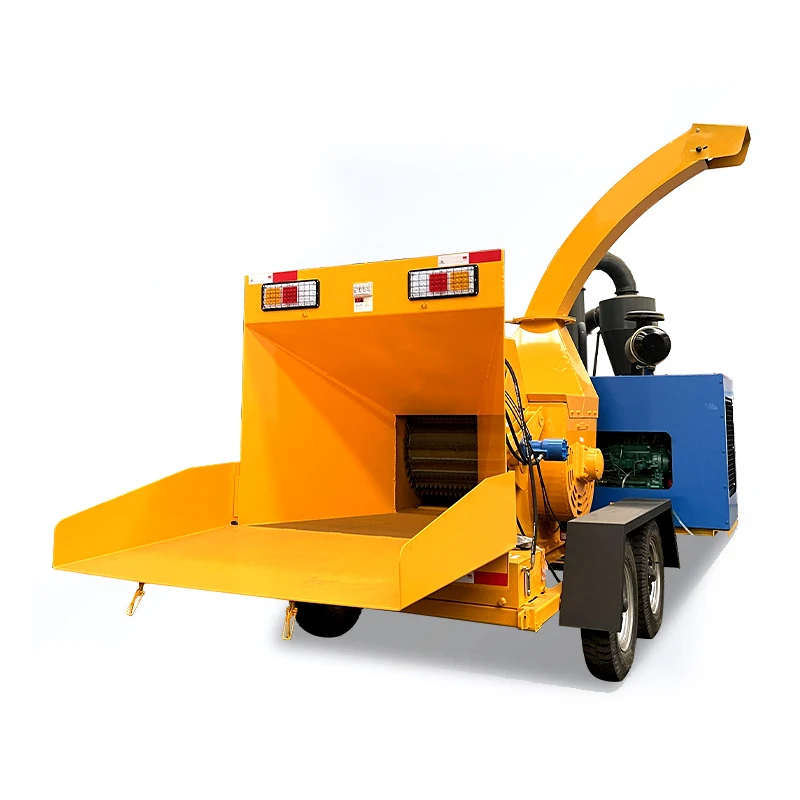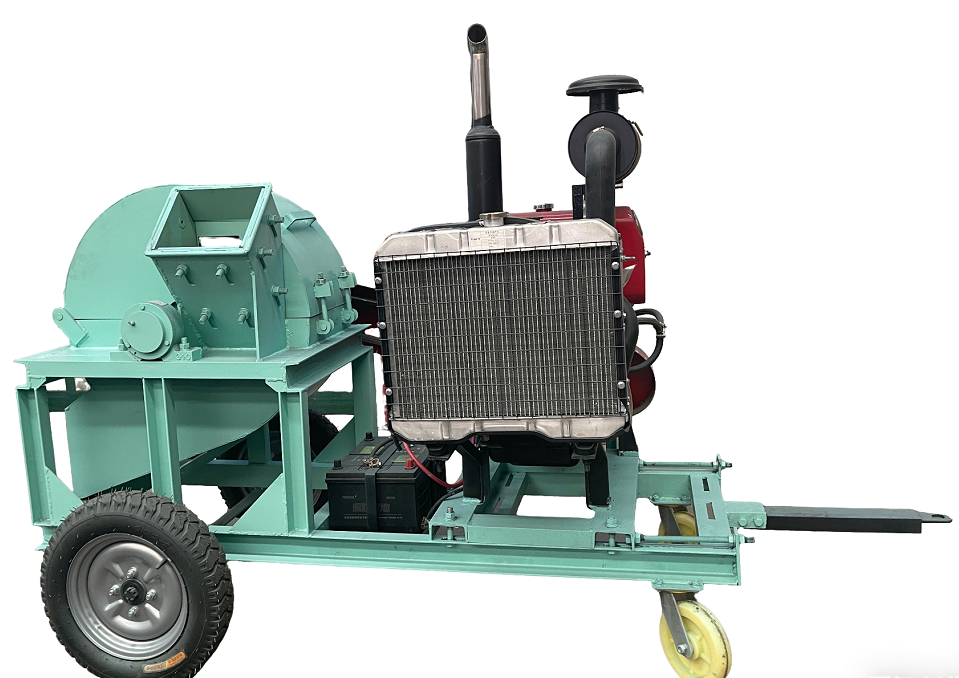
La mesura real del valor d'un equip industrial es manifesta no només en el seu rendiment òptim, sinó també en la seva operació sostenible, segura i fiable al llarg de milers d'hores de treball. Per als propietaris i operadors del triturador de fusta Kesen, aconseguir aquesta longevitat i seguretat requereix una aproximació disciplinada, informada i proactiva. Aquesta guia exhaustiva sintetitza els principis clau del manual oficial en un marc holístic d'excel·lència operativa. Va més enllà de les instruccions bàsiques per fomentar una comprensió més profunda del perquè certs procediments són essencials, donant eines al vostre equip per convertir-se en custodis experimentats d’aquesta màquina potent, assegurant així el màxim retorn de la inversió i, el més important, un registre de seguretat impecable.
La seguretat no és un conjunt de regles; és una cultura. Construir aquesta cultura comença amb un compromís inquebrantable de la direcció i impregna cada acció del personal operatiu.
1. Rituals preoperatius: L'auditoria diària de seguretat
Abans que es giri la clau d'encesa o s'activi l'interruptor de corrent, cal completar una comprovació sistemàtica:
L'armadura personal (EPI): Equipeu cada operari com si entrés en una zona de risc controlada. Aquest kit obligatori inclou: Ulleres de seguretat resistents als impactes (es prefereixen models tancats per protegir-se contra la pols); tapones d'orella d'alta fidelitat o auriculars amb una classificació adequada de reducció del soroll (NRR) per fer front a operacions prolongades amb alts nivells de decibels; roba de treball ajustada de màniga llarga feta de material resistent, amb totes les punys, butxaques i vores ben subjectades— els guants estan expressament prohibits durant les operacions d'alimentació a causa del risc d'embolicament; i botes de seguretat d'acer amb solles antilliscants.
La màquina física: Realitzeu una inspecció visual de 360 graus. Comproveu i ajusteu qualsevol cargol solt al bastidor, al recipient d'alimentació i als suports dels coixinets. Assegureu-vos que totes les proteccions de seguretat, especialment les que cobreixen el rotor, les corretges de transmissió i la tracció, estiguin fermament col·locades i sense danys. Inspeccioneu l'obertura d'alimentació i el canal de descàrrega per detectar material residual o possibles danys.
L'escaneig ambiental: Assegureu-vos que el perímetre de treball, que ha d'estendre's almenys 3 metres al voltant de la màquina, estigui lliure de restes, obstacles que puguin causar caigudes i personal no autoritzat. Establiu i feu complir zones clarament senyalitzades com a "Prohibida l'entrada", especialment en la línia de tir del canal de descàrrega, on el material expulsat pot sortir projectat amb força considerable. Per a les unitats amb motor dièsel, confirmeu que el funcionament es duu a terme en un espai ben ventilat per evitar l'acumulació letal de monòxid de carboni.
2. Disciplina Operativa: Vigilància en Acció
Quan el triturador està en funcionament, el paper principal de l'operador és el d'un supervisor i guardian.
L'alimentació com una ciència: Alimenteu el material a un ritme constant i sostenible que coincideixi amb el ritme audible de la màquina; forçar o sobrecarregar provoca bloqueigs i esforços excessius. Utilitzeu sempre una barra de pressió o una eina d'alimentació específica per a peces més petites; les mans mai no han de travessar el pla de l'obertura d'alimentació. La prohibició de materials estranys (metall, pedres, formigó) és absoluta, ja que són la causa principal de ruptures catastròfiques de les fulles, trencament de tamisos i danys per xoc als rodaments.
Monitoratge sensorial: Un operador experimentat escolta i sent. Un canvi del rugit rítmic normal a un so de cop, fregament o xerric agut és una alerta immediata. Aquests sons poden indicar un cargol de martell solt, una punta de fulla trencada, un rodamunt en falla o la presència d'un objecte estrany. La resposta adequada és sempre aturar l'alimentació elèctrica immediatament i investigar.
La regla d'or de la zero interferència: Manteniment, ajustament, desembussament o inspecció mai té lloc mentre la màquina està elèctricament o inercialment «en marxa». Després d'aturar-la, els operadors han d'esperar no només que el rotor s'aturi, sinó també que tots els components associats (com els rodets d'alimentació, si en té) s'hagin aturat completament. S'han d'aplicar procediments de bloqueig/etiquetatge (LOTO) en els models elèctrics per evitar repenjades accidentals.
Una trituradora ben mantinguda és una trituradora segura, eficient i rendible. El manteniment no és una reacció a una avaria, sinó una estratègia programada per prevenir-la.
El compromís diari (post-turn): Això implica una neteja externa exhaustiva per eliminar la pols de fusta i les escates, que són abrasives, higroscòpiques (atiren la humitat) i combustibles. Cal fer una inspecció visual per detectar fugues (oli, greix, combustible), fissures noves o patrons d'ús anormals.
El cor de la màquina: gestió de fulles i desgast: Les fulles són els herois consumibles. Comproveu regularment les vores de tall per veure si estan esmussades i mesureu la seva extensió més enllà del disc. La uniformitat és crítica —totes les fulles d’un disc han de sobresortir igual (2-4 mm) per evitar desequilibris catastròfics. Els cargols han d’estar ajustats segons l’especificació i cal inspeccionar-ne el desgast de la rosca. La "navalla fixa" o "navalla de base" s’ha d’ajustar per mantenir una distància precisa de 1-2 mm respecte a les fulles rotatives per garantir un tall òptim.
La línia de vida: règim de rodaments i lubricació: Els rodaments fallen per contaminació i manca de lubricació. Seguiu un règim estricte: en funcionament continu, recarregueu amb greix de complex de liti d’alta temperatura als coixinets cada 3-4 hores . Expulseu el greix vell per eliminar contaminants. Lubricar en excés genera calor per remenament; lubricar poc provoca contacte metall amb metall. L’horari indicat al manual és fonamental.
Integritat de la transmissió de potència: Comproveu regularment la tensió de la corretja en V. La flexió adequada sota una pressió moderada del dit hauria de ser de 6-10 mm. Les corretges s'han de substituir en jocs aparellats, mai individualment, per garantir una distribució uniforme de la càrrega. Inspeccioneu les politges (rodes) per detectar desgast o mal alineament.
La porta de qualitat: inspecció del tamís: El tamís és l'àrbitre final de la mida dels trossos. Inspeccioneu-lo per detectar desgast, especialment al voltant dels extrems dels forats, i per a soldadures trencades o barres trencades. Un tamís gastat permet que passi material de mida excessiva, cosa que degrada la qualitat del producte i pot danys als equips aguas avall.
Dotar els operadors de competències de diagnòstic minimitza el temps d'inactivitat.
Escenari: disminució del rendiment. Causes possibles: fulles esmussades, separació exagerada entre la fulla i el ganivet contrari, un tamís parcialment obstruït o corretges del motor fluixes. Resposta sistemàtica: primer, comproveu i tenseu les corretges. Segon, inspeccioneu i netegeu el tamís. Tercer, comproveu i ajusteu l'obertura de la fulla. Finalment, inspeccioneu i afilau o substituïu les fulles.
Escenari: Rodament en calent. Causa possible: Greix incorrecte o insuficient, segell de greix danysat que permet la contaminació, desalineació del rodaments o fallada imminent del rodaments. Resposta sistemàtica: Deixar-lo refredar. Verificar el tipus i quantitat de greix. Inspeccionar els segells. Si el problema persisteix després de la reengreixada amb el greix adequat, sospitar de danys al rodaments i planificar el seu reemplaçament.
Escenari: Vibració excessiva. Causa possible: Desequilibri sever del rotor degut a un desgast irregular de les paletes o pèrdua d'una secció de paleta, rodaments vells o danats, o una base/muntatge solt. Resposta sistemàtica: Aturar immediatament. Aquest és un defecte crític. Inspeccionar si falten peces de paletes o estan trencades. Verificar tots els cargols de muntatge. Serà necessària una inspecció exhaustiva del conjunt del rotor i dels rodaments.
Al final, el rendiment de la màquina és un reflex de l'equip que l'opera. Sessions regulars de formació documentades, senyalització clara en l'idioma local i un entorn obert en què els operadors puguin informar d'incidents evitats de miracle i riscos potencials sense por són els pilars d'una cultura de seguretat d'excel·lència. En combinar l'enginyeria robusta del triturador de fusta Kesen amb aquest nivell de diligència i cura operativa, no només assegureu una màquina, sinó un actiu fiable, productiu i segur que servirà com a columna vertebral de les vostres capacitats de processament durant una dècada o més.
 Notícies calentes
 2026-06-16
2024-12-26
2024-12-26
2024-10-11
2024-09-18
2024-09-09
Kesen Machinery va ser fundada l'any 2003 amb l'objectiu de produir productes de alta qualitat per als clients i proporcionar equipament de classe mundial per a tots els clients del sector forestal i de la construcció.
Drets d'autor © Shandong Kesen Machinery Manufacturing Co., Ltd. Tots els drets reservats- Política de privadesa-Blog
 EN
EN